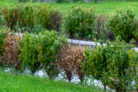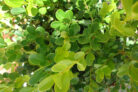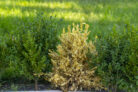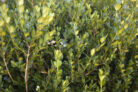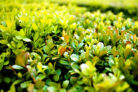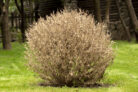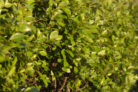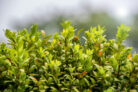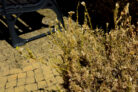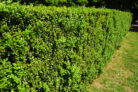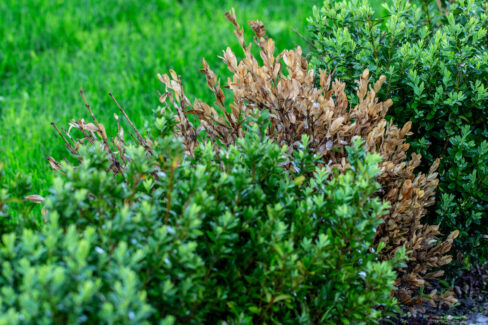
Finding brown leaves on your boxwood can be a real heart-stopper for any gardener. After all the time and effort you’ve put into these slow-growing beauties, it’s natural to worry if they’re goner. But don’t throw in the towel just yet! While brown foliage is definitely a “pay attention now” signal—especially since it could point to a nasty fungus—it isn’t always a death sentence.
Possible Causes for Brown, Dried-Out Leaves
If your boxwood is drying out, the first rule of thumb is: don’t panic. Panic leads to hasty decisions that might do more harm than good. Instead, take a deep breath and put on your detective hat. We need to figure out exactly what’s going on. Here are the usual suspects:
- Too much direct sun (sunburn)
- Thirst during dry spells
- Root rot/fungus from “wet feet” (standing water)
- Nutrient deficiencies
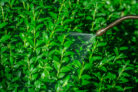
- Accidental contact with chemical pesticides
- Pest infestations
Optimizing Care and Growing Conditions
Start by pruning away those brown stems and giving your plant a little fertilizer to encourage fresh new growth. If your boxwood is getting scorched by the sun, you might want to transplant it to a shadier spot or provide some afternoon shade. Remember, these guys have shallow roots, so they need consistent watering in the summer. To prevent waterlogging, make sure your soil drains well; if you’re dealing with heavy clay, adding a drainage layer during planting is a lifesaver.
Tackling Fungal Infections
Fungal diseases can be tough and, if left unchecked, can even kill your plant. You’ve got to act fast. Unfortunately, there isn’t a “magic cure” for the dreaded boxwood blight (Cylindrocladium), but many gardeners have seen great results using seaweed lime (Algenkalk) as a preventative boost. If you suspect a fungus, follow these steps:
- Prune the boxwood back until you hit healthy, green wood.
- Carefully collect all clippings and fallen leaves.
- Never leave debris on the ground or put it in your compost pile! Bag it and toss it in the trash.
- Disinfect your pruning shears before and after use to stop the spread.
Pro Tip:
If you lose a boxwood to fungus, avoid planting a new one in that same spot for several years. If you just can’t wait, you’ll need to replace a large portion of the soil first. Either way, it’s a smart move to choose a more blight-resistant variety for your next planting.
Common Boxwood Pests
When pests cause browning, the culprits are usually spider mites or leafminers (gall midges). Usually, you’ll see tell-tale spots on the leaves before they turn completely brown. You can manage spider mites with oil-based treatments, while a good, hard pruning is often the best way to deal with leafminers.
Skip the Harsh Chemicals
Boxwoods can be a bit sensitive when it comes to heavy chemicals. They don’t always react well to synthetic treatments for pests or diseases. Be extra careful when spraying neighboring plants, too—if the drift hits your boxwood, it might protest by turning brown.