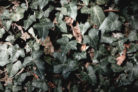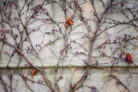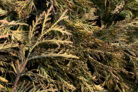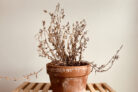
If your ivy is starting to turn brown, it’s definitely gone off-script. After all, ivy is supposed to be an evergreen! When those leaves lose their luster, you need to play detective, find the culprit, and fix the issue as quickly as possible to save your plant.
Common Culprits for Brown Leaves
When ivy (scientifically known as *Hedera*) is happy, it’s one of the toughest plants in the garden. However, poor maintenance, the wrong location, diseases, or pests can all take a toll on its foliage. Usually, it’s a combination of factors, so let’s look at the most common issues.
Location and Care
Most ivy varieties are big fans of shady spots. Only the variegated types (the ones with colorful patterns) really need about four hours of sunlight a day to keep their colors bright. Even then, they prefer the gentle morning or evening sun; harsh midday rays can cause the leaves to scorch, turn brown, and dry out.
Since ivy loves moist soil, drought is its worst enemy. You’ll need to water regularly—and don’t forget about it in the winter! If your ivy is struggling, consider moving it to a shadier spot or providing some cover. A good rule of thumb: as soon as the top layer of soil feels dry to the touch, it’s time to grab the watering can.
Pro Tip:
If you’re growing ivy as a houseplant, keep it away from radiators, especially in the winter. The dry heat is a killer. Move it to a cooler spot and boost the humidity with a humidifier or a simple tray of water nearby.
Fungal Diseases to Watch Out For
There are two main diseases that cause trouble: leaf spot disease and ivy canker. Both start as small brown spots on the leaves. If left untreated, the entire leaf will turn brown and fall off. If you see this, prune away the infected parts immediately and dispose of them in the trash—don’t compost them, or the fungus might spread!
Since ivy is toxic, always wear gloves to protect your skin. Also, make sure to use sterilized pruning shears and clean them again right after you’re done to stop the infection in its tracks.
Pests: The Usual Suspects
Take a close look at the undersides of the leaves. Spider mites and scale insects are tiny, but you can usually spot them if you look closely. Scale insects also leave behind a sticky residue called honeydew.
- Cut off and destroy heavily infested parts of the plant.
- Spray the rest of the plant with a mild soapy water solution.
- Add a splash of rubbing alcohol to the mix for extra strength.
- Repeat the treatment every few days if needed.
- For severe infestations, you might need a commercial pesticide.
- If the plant is too far gone, it might be best to remove it entirely to protect your other plants.