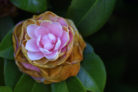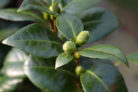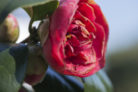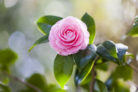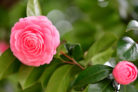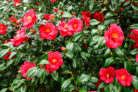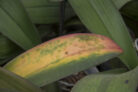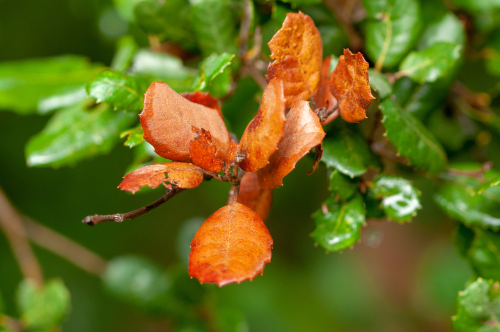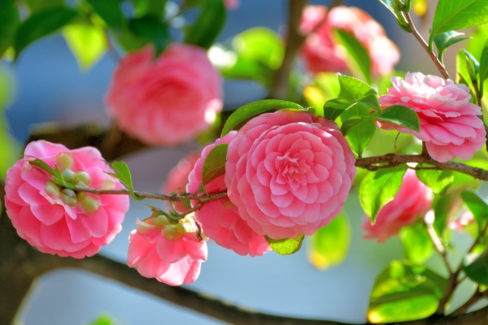
We all know the real stars of the show when it comes to Camellias (*Camellia japonica*) are those stunning, rose-like blooms. But if you want those flowers to keep coming back, you’ve got to keep a close eye on the leaves. Think of the foliage as your plant’s way of talking to you—when those glossy green leaves start turning brown, your Camellia is telling you something is wrong.
Brown Leaves: A Red Flag
Generally speaking, brown leaves aren’t part of a healthy Camellia’s look. Usually, once the color changes, it’s only a matter of time before the plant starts dropping its leaves entirely. This is usually caused by:
- Common care mistakes
- The wrong spot in the garden
- Natural aging
Treat brown leaves as a warning light on your car’s dashboard. You’ll want to play detective and figure out exactly what’s bothering your plant, because if you ignore it, you might lose the whole shrub.
Natural Aging
First, don’t panic! Camellias do naturally refresh their wardrobe every now and then. Every two to three years, it’s normal for some of the older foliage to turn brown and drop off. You can tell this is just “old age” if:
- No more than a third of the leaves are affected.
- You see fresh, new green growth coming in.
Pro tip: Make sure to pick up those fallen leaves from the soil. If they sit there and get soggy, they can encourage rot near the roots. If you see a leaf that’s clearly on its way out and it detaches with a gentle tug, go ahead and pull it off.
Care Mistakes
If it’s not just old age, the culprit is often one of these two common slip-ups:
- “Wet feet” (standing water)
- Over-fertilizing
Standing Water
Too much love with the watering can leads to soggy soil, which causes root rot. If the roots rot away, the plant can’t “breathe” or take up nutrients, and it will eventually die.
What to do:
- Stop watering immediately.
- Let the soil dry out completely.
- If the soil is a swamp, repot the plant into fresh, dry substrate.
- Long-term fix: Adjust your watering schedule, make sure your pot has plenty of drainage holes, add a layer of gravel or clay pebbles at the bottom for drainage, and always empty the saucer after watering.
Over-fertilizing
Camellias are actually light feeders. If you give them too much fertilizer, the leaves will turn brown or even black, and once they’re gone, they’re gone.
What to do:
- Repot your Camellia into fresh soil.
- Before putting it in the new pot, gently rinse the root ball with lukewarm water to wash away excess fertilizer salts.
- Long-term fix: Stick to a fertilizer routine specifically designed for acid-loving plants and don’t overdo it.
The Wrong Location
Camellias are a bit like us—they love the sun, but too much of a good thing causes problems. If your plant is sitting in:
- Direct, harsh sunlight
- Intense midday sun
It can actually get a sunburn, which shows up as crispy brown patches on the leaves.
What to do:
- Move your potted Camellia to a shadier spot.
- If it’s planted in the ground, provide some relief with a sunshade or a garden umbrella during the hottest part of the day.