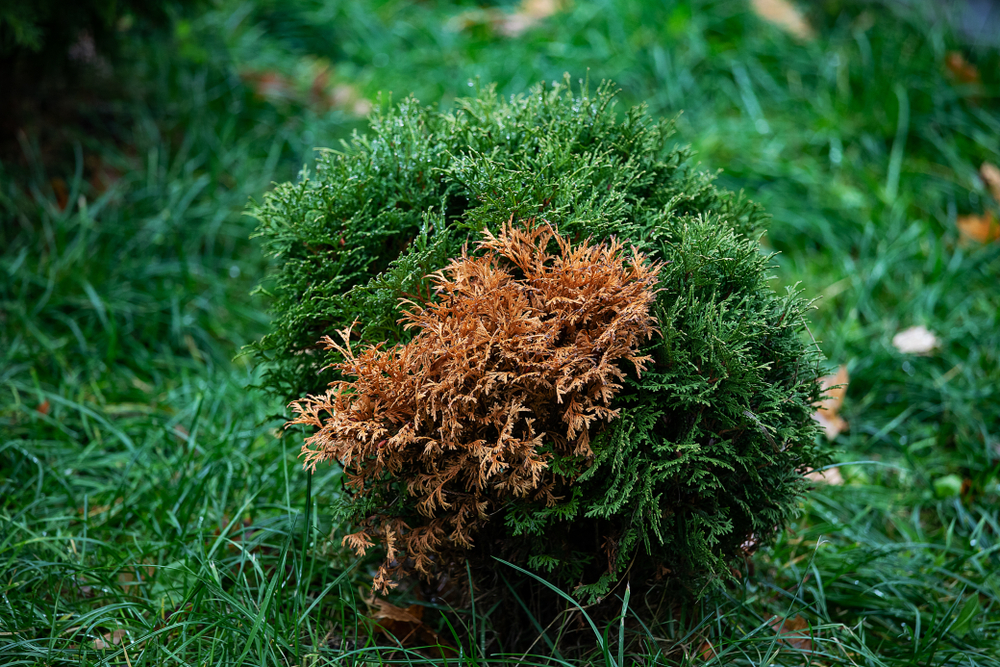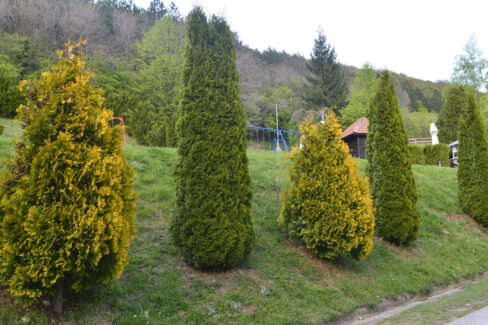
If you’ve noticed your Emerald Green Arborvitae (Thuja Smaragd) starting to turn brown, it’s usually a cry for help. It often points to a nutrient deficiency, a pest problem, or a disease. To get your evergreens back to their lush, vibrant selves, you’ll need to do a little detective work to find the root cause.
Why is my Arborvitae turning brown?
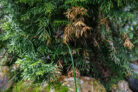
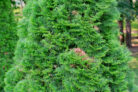
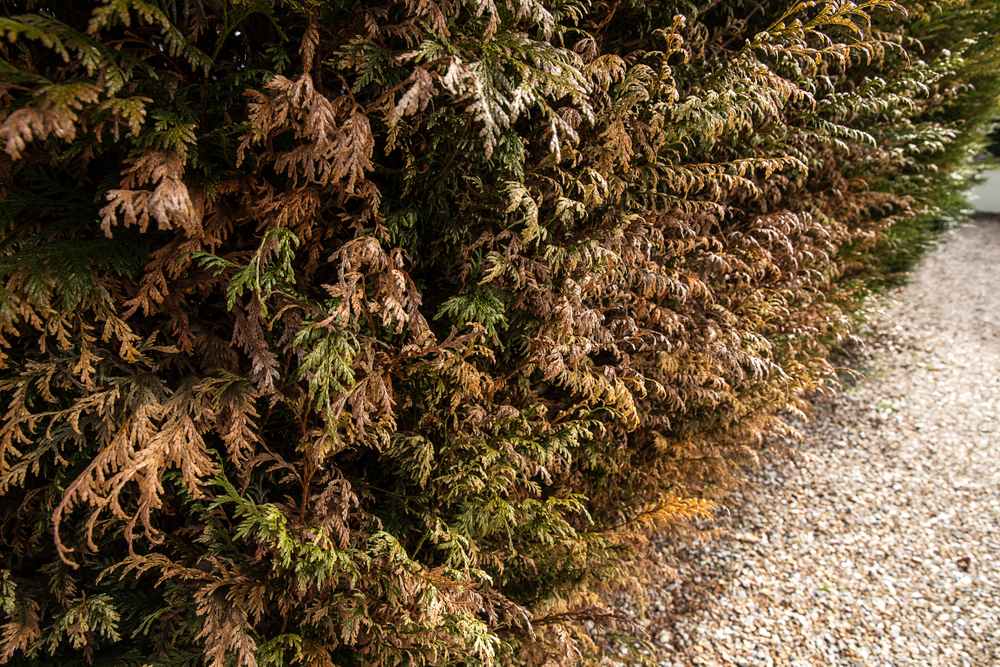
There are a lot of reasons for browning, and the first thing you should do is check *where* it’s happening. Is the hedge just turning brown on the inside, or are the tips turning brown? If you see some browning deep inside the tree during the fall, don’t panic—that’s actually a natural part of the plant’s life cycle. However, brown tips are always a red flag that something is wrong. Here are the most common culprits:
- Bone-dry soil
- Waterlogging (standing water)
- Sunburn
- Over-fertilizing (too much fertilizer)
- Diseases and pests
- Road salt
How do I fix browning on an Emerald Green Arborvitae?
If you only see a few brown tips, you can simply snip them off. But if the discoloration has spread, you might need to go in for a heavy pruning. Of course, pruning is just a Band-Aid; you also have to fix the underlying issue. Keep in mind that if the tree is brown all over, it might be past the point of saving.
Check and adjust your care routine
Emerald Green Arborvitaes love moist soil, but they hate “wet feet.” If they sit in standing water, they quickly develop root rot, which prevents them from soaking up the water and nutrients they need. Take a look at your watering habits and make sure the soil is well-draining. Also, be careful with chemical fertilizers, as they can actually burn the roots. I always recommend using organic options like compost or manure—it’s almost impossible to over-fertilize that way.
Sunburn is another sneaky cause of browning. This often happens right after you’ve trimmed your hedge, as the fresh cuts are sensitive to direct sunlight. Pro tip: Only prune your arborvitae on a cloudy day when no rain is expected. You want to avoid moisture on those fresh cuts, as it can create a breeding ground for fungi.
Dealing with pests and diseases
While Emerald Greens are pretty hardy, they can occasionally fall victim to fungal infections. If you spot a fungus, prune away the affected branches generously. For severe cases, you can find specialized fungicides at the garden center. Just a heads-up: never put diseased branches in your compost pile! Toss them in the trash or burn them to make sure the spores don’t spread to the rest of your garden.
As for pests, keep an eye out for leaf miners and bark beetles. Their larvae tunnel through the inside of the branches, and they can be tough to get rid of once they’ve moved in. Your best bet is to prune off the infested branches and stay on top of raking up any fallen needles or debris around the base of the tree.