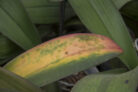
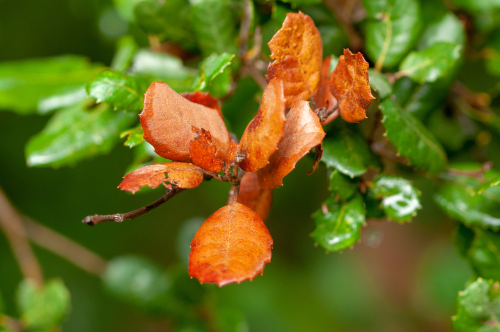
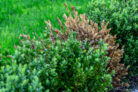
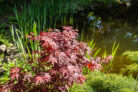
Seeing brown leaves when you’re expecting lush, vibrant greenery is definitely a bummer. At first, it’s just an eyesore, but then the worry kicks in: Is my azalea actually dying? Think of those brown leaves as a loud-and-clear SOS signal. It’s your plant’s way of asking you to double-check its living conditions.
Why is my azalea getting brown leaves?
Usually, brown leaves on an azalea come down to a water issue. It’s either not getting enough to drink, or the roots are rotting because it’s sitting in a puddle. These plants love “goldilocks” soil—consistently moist, never soggy. It’s also possible your plant is just feeling the heat or getting too much direct sun.
What exactly causes brown leaves on azaleas?
Keep in mind that unlike most rhododendrons, many azaleas are deciduous. That means it’s totally normal for them to turn yellow or brown and drop their leaves in the fall. Even with evergreen varieties, losing a few old leaves here and there is no biggie. But if your plant is browning out of season, it’s likely one of these culprits:
- Not enough water (dehydration)
- Standing water (root rot)
- Too much heat
- Sunburn
What should I do with the brown leaves?
Unfortunately, once a leaf turns brown, there’s no turning it green again. They’ll eventually fall off on their own, but if they’re bothering you, feel free to pluck them off. If entire branches have dried out, go ahead and prune them back sooner rather than later. The most important step is to play detective and fix the underlying issue so the rest of the plant stays healthy. Usually, this means tweaking your care routine. If you have an indoor azalea sitting in swampy soil with mushy roots, you’ll need to repot it into fresh rhododendron soil after trimming away any rotted roots.
How do I keep my azalea from drying out?
Finding that watering sweet spot can be a bit of a challenge. Japanese azaleas (garden varieties) have very shallow roots, and indoor azaleas usually live in small pots that dry out fast. Here’s how to keep them hydrated:
- Keep the soil consistently moist.
- Keep a close eye on young garden azaleas; they need regular watering.
- Give established garden plants extra water on scorching summer days.
- Don’t forget to water occasionally during dry winters.
- For indoor azaleas, do the “finger test” every couple of days.
- Water as soon as the top layer of soil feels slightly dry.
- Pro tip: Occasionally dunk the whole pot in a bucket of water until the bubbles stop.
How do I prevent standing water and root rot?
The best way to avoid “wet feet” is to water according to the plant’s actual needs. It’s better to water a little more often than to drown the plant once a week. You also want to make sure any extra rain or irrigation water can drain away quickly.
- When planting in the garden, add a drainage layer.
- Always use pots with drainage holes.
- If you use a saucer, dump out the excess water after about 15 minutes.
When is it too hot, and how do I spot sunburn?
Indoor azaleas are usually the ones that struggle with heat. They typically bloom in winter or spring, right when we have our heaters cranked up. We love to put them on display in our cozy living rooms, but they actually prefer it cool—ideally between 45°F and 60°F (8-16°C). Outside, if a garden azalea is in a spot that’s too sunny, it can get sunburned. You’ll know it’s sunburn if only the leaves facing the sun turn brown while the “shaded” side of the plant looks fine.
Quick Tip: It’s not always brown!
Heads up: If an azalea hits a major crisis—like a total drought or a massive flood—it might not even take the time to turn brown. Sometimes, the plant will just drop its leaves while they’re still green!