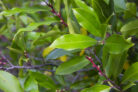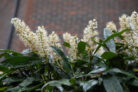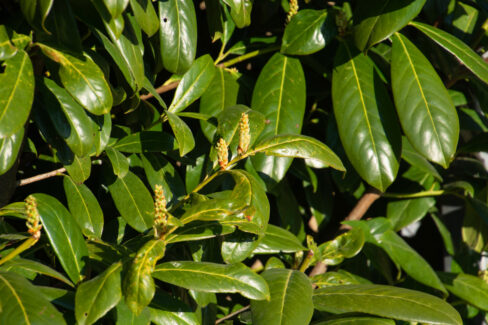
The lush, evergreen foliage of a cherry laurel is definitely its best feature, so it’s a total bummer when those leaves start turning brown. If you’re noticing brown edges specifically, it’s usually a red flag that your plant is struggling with its nutrient intake. Here’s the lowdown on what to look for and how to fix it.
What those brown edges are trying to tell you
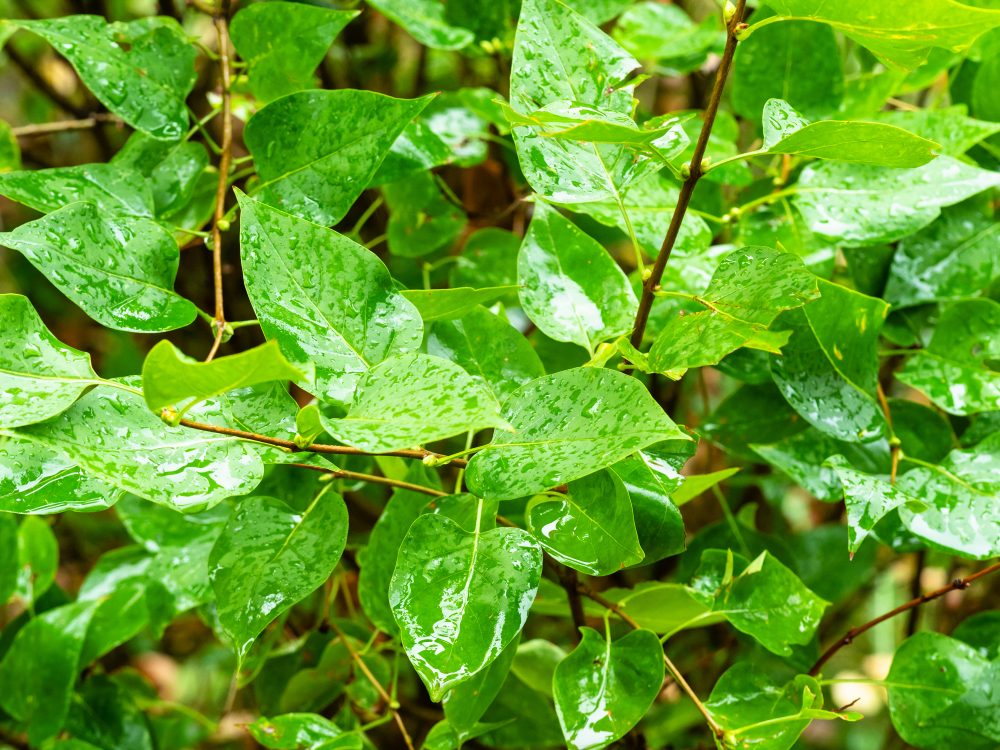
When cherry laurel leaves lose their green, something is definitely up. Now, if you just see a few brown tips at the ends of the branches after a brutal winter, it might just be a bit of frostbite. But if the browning is creeping in from the outer edges of the leaves, you’re likely looking at a different issue.
Usually, this is a sign of a nutrient deficiency—specifically a lack of potassium. You don’t want to ignore this, because your hedge needs that potassium to stay strong. The good news? If you take action quickly, your laurel will bounce back and look full and healthy again in no time. Here are a few ways to get that potassium back into the soil:
How to fix a potassium deficiency on the spot:
- Feed the soil with comfrey tea (a natural fertilizer favorite!)
- Spread some well-aged manure or a bit of wood ash around the base
Don’t forget the TLC
While underfeeding is a problem, you can also have “too much of a good thing.” Over-fertilizing can stress the plant out just as much as a deficiency, leading to damaged leaves and a sad-looking hedge. It’s all about finding that happy medium. Also, keep an eye on your watering habits—cherry laurels hate “wet feet,” so make sure the soil drains well to avoid standing water at the roots.
If you’re dealing with brown spots or frost damage, it’s best to just prune them away. If it’s frost damage, cut the branches back until you hit healthy wood. You’ll know you’ve found the damaged parts because the wood inside will look gray or dark. Grab a pair of sharp, clean pruning shears and get to work. Pro tip: If you’re removing damaged leaves, cut the whole leaf off. Leaving half-cut leaves behind just makes the plant more vulnerable to pests or disease.