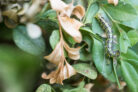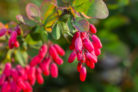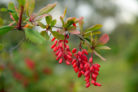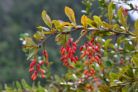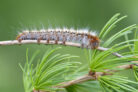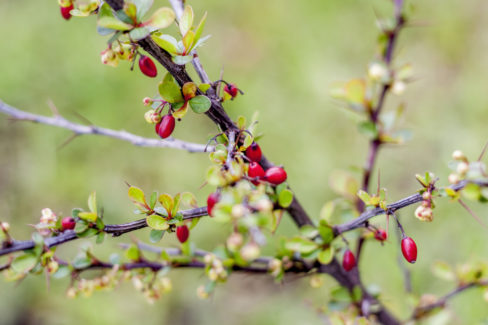
Caterpillars are some of the most common pests you’ll run into when growing barberry. Don’t let those sharp thorns or the plant’s natural toxins fool you—these little crawlers aren’t bothered by them one bit! If you notice your barberry is becoming a snack bar for caterpillars, you’ll definitely want to step in and help your plant out.
Dealing with a Caterpillar Infestation
Caterpillars are among the few pests that couldn’t care less about the barberry’s defenses. They have a massive appetite for those leaves, and if left unchecked, they can strip a shrub bare before you know it. Because they can do so much damage so quickly, it’s best to take matters into your own hands as soon as you spot them.
How to Fight Back
Most of the time, a barberry bush can’t shake off a caterpillar infestation on its own. It needs a little backup from you to get back on its feet.
The Radical Pruning Method
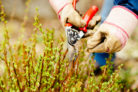
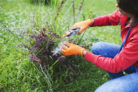
One of the most effective “first response” moves is to give your plant a radical pruning. Don’t worry—barberry is incredibly resilient and handles heavy pruning like a champ, so it will bounce back quickly.
Go ahead and cut back all the branches by one to two-thirds. This usually removes a huge chunk of the caterpillars in various stages of their life cycle. For any stragglers left behind, use a sharp stream of water from your garden hose to knock them off. Pro tip: Lay a tarp or an old sheet under the bush first. That way, you can catch all the falling larvae and toss them in the trash so they don’t just crawl back up!
Natural and Organic Remedies
If the infestation is looking pretty serious, you might need to bring out the big guns. Here are some great natural options:
- Spray the bush with tansy or wormwood tea.
- Dust the leaves with rock flour (primary rock dust).
- Use a treatment of “Elephant Summer Oil” (paraffin-based oil).
- Apply biological treatments based on *Bacillus thuringiensis*.
DIY Neem Oil Spray
Neem oil is a gardener’s best friend. You can mix your own solution by combining 8 ml of neem oil and 2 ml of Rimulgan (an emulsifier) with 1 liter of water. Spray this directly onto the affected areas. If you’re not into DIY, you can easily find pre-mixed neem oil sprays at your local garden center.
Preventing Future Attacks
The best defense is a good offense! Starting in early spring when the new growth appears, you can use an organic plant protection spray to discourage caterpillars from moving in. Most importantly, keep your barberry healthy and well-fed. A strong, vigorous plant is much better at fending off diseases and pests on its own and will recover much faster if it does get hit.