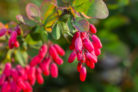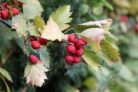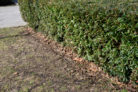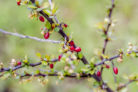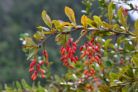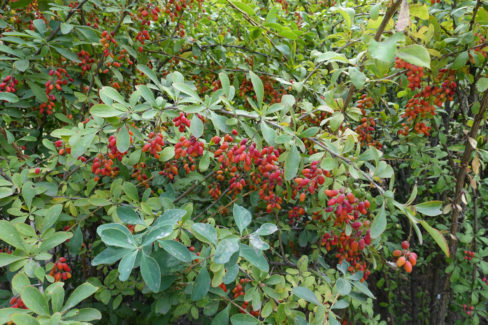
For the most part, barberry (Berberis) is a tough-as-nails shrub that can handle almost anything you throw at it. Thanks to those sharp thorns, most critters stay far away, and the plant is usually great at bouncing back from minor issues on its own. However, even the hardiest plants have their weak spots. There are two specific diseases that can give barberry a hard time, and when they strike, your green thumb will need to step in to help.
Here’s the lowdown on what to look for and how to fix it.
Common Barberry Diseases
While barberry is generally low-maintenance, it can fall victim to two main fungal issues:
- Wheat Stem Rust
- Barberry Powdery Mildew
Dealing with Wheat Stem Rust
Wheat stem rust has been a known enemy of the barberry since the early 1900s. It’s a fungus that causes major headaches for farmers, and it actually uses the barberry plant as a “middleman” or intermediate host to complete its life cycle. You’ll know your plant is struggling with rust if you see:
- Yellowish-red dots on the tops of the leaves.
- Pale yellow spots on the undersides.
- Eventually, the leaves turn black and drop off entirely.
To help your barberry fight back, start by pruning away any infected branches and clearing out fallen debris. For a biological approach to killing off the spores, you can treat the plant with organic sprays containing wettable sulfur or copper.
Tackling Barberry Powdery Mildew
If your barberry looks like someone dusted it with flour, you’re likely dealing with powdery mildew. This fungal infection creates a white, powdery coating on the green leaves. Even the plant’s natural toxic alkaloids can’t stop this fungus from spreading, especially during those warm, humid summer months.
If you spot it, grab your shears and prune the affected areas. Just a pro-tip: make sure to thoroughly clean your gardening tools afterward so you don’t accidentally spread the fungus to the rest of your garden! For a natural remedy, mix about 4 ounces (125 ml) of fresh milk with a quart (1 liter) of water and spray the plant. Repeat this every three days until the mildew clears up.
How to Prevent Fungal Issues
Since fungal spores travel through the air, it’s tough to prevent them 100% of the time. However, a healthy plant is a resilient plant! Make sure you’ve chosen the perfect spot for your barberry, avoid waterlogging the soil (they hate “wet feet”), and keep the plant vigorous. Giving it a good boost of fertilizer at the start of the season will also help it build the strength it needs to stay standing tall.