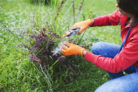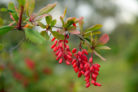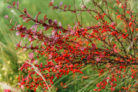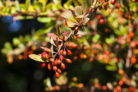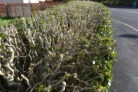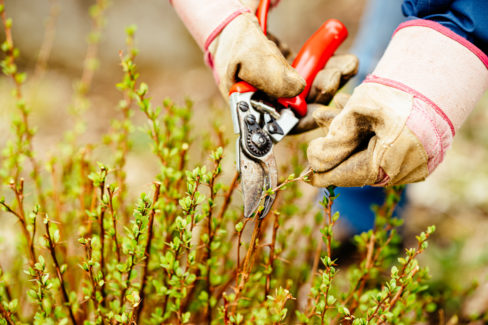
Sometimes, you’ve just gotta be brave and give your barberry a serious “haircut.” While it might feel a bit drastic, a radical pruning is often exactly what an old, leggy plant needs to bounce back with fresh growth and a lush, full look.
Why Go for a Radical Prune?
Barberries are pretty fast growers, so they usually need regular trimming just to keep their shape. But every once in a while, a light trim isn’t enough. You might need to go big if:
- Your barberry is getting old and looks “bald” or woody at the bottom.
- The plant has simply outgrown its space and is taking over the garden.
Pruning for Rejuvenation
If your barberry is looking a bit worse for wear, a “rejuvenation cut” is like a fountain of youth. By cutting it back hard, you’re triggering the plant to send out brand-new shoots in the spring. Sure, it’ll take a few years to get back to its original height, but the payoff is worth it: your old shrub will be replaced by a dense, vibrant, and healthy-looking plant.
Taming Overgrown Shrubs
If life got in the way and you skipped a few pruning sessions, a barberry in the right spot can really take off. Depending on the specific variety, these shrubs can reach heights of up to 10 feet if left to their own devices! A radical cut is the best way to hit the reset button and get that size back under control.
Timing is Everything
When you’re planning a major prune, you have to keep local wildlife in mind. To protect nesting birds and other critters, it’s best to avoid heavy pruning during the spring and summer months. Generally, the window between October 1st and the end of February is your best bet for a hard cut-back.
The “sweet spot” for this task is a frost-free day in January or February. If it’s just a tiny bit chilly (around 28°F or -2°C), you’re still good to go, but try to avoid deep freezes so the plant can heal properly.
Pro Tip: The Secret to the Perfect Shape
Once you’ve finished your radical pruning, keep the future shape in mind. You always want to aim for a trapezoid (or “A”) shape—wider at the bottom and slightly narrower at the top. This ensures that sunlight reaches the lower branches. If the top is wider than the bottom, it’ll shade out the base, leading to that “naked” look at the bottom of the hedge that we’re trying to avoid!