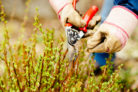
If you want your fast-growing barberry to stay lush and thick, regular pruning is the secret sauce. This is especially true if you’re growing a barberry hedge—keeping up with your trimming ensures a dense wall of leaves that provides great privacy for your yard.
Different Ways to Prune Your Barberry
There are a few different reasons you might pick up the shears. Depending on what your plant needs, you’ll likely be doing one of these three types of cuts:
- Maintenance pruning to keep things looking neat and tidy.
- Initial pruning (at planting) to encourage fresh growth and dense branching.
- Rejuvenation pruning to breathe new life into old, woody shrubs.
Maintenance Pruning: Keeping Up Appearances
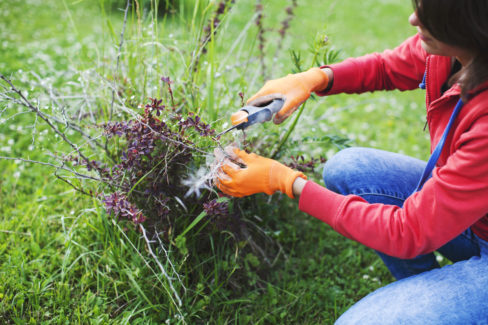
Maintenance pruning is all about aesthetics. The best time to do this is right after the flowering season. By waiting until the blooms fade, you ensure you aren’t accidentally cutting off this year’s flowers or brand-new shoots. Simply trim back any stray branches that are sticking out. If you’re working on a hedge, try stretching a piece of string between two stakes to help you keep your lines straight.
Initial Pruning: Setting the Stage
To get your barberry off to a great start, you should actually prune it right after planting. This “planting cut” stimulates the shrub to branch out right away, leading to a much fuller plant down the road. Since most people plant in the spring or fall, that’s when you’ll want to do this initial trim.
The Rejuvenation Cut: Starting Over
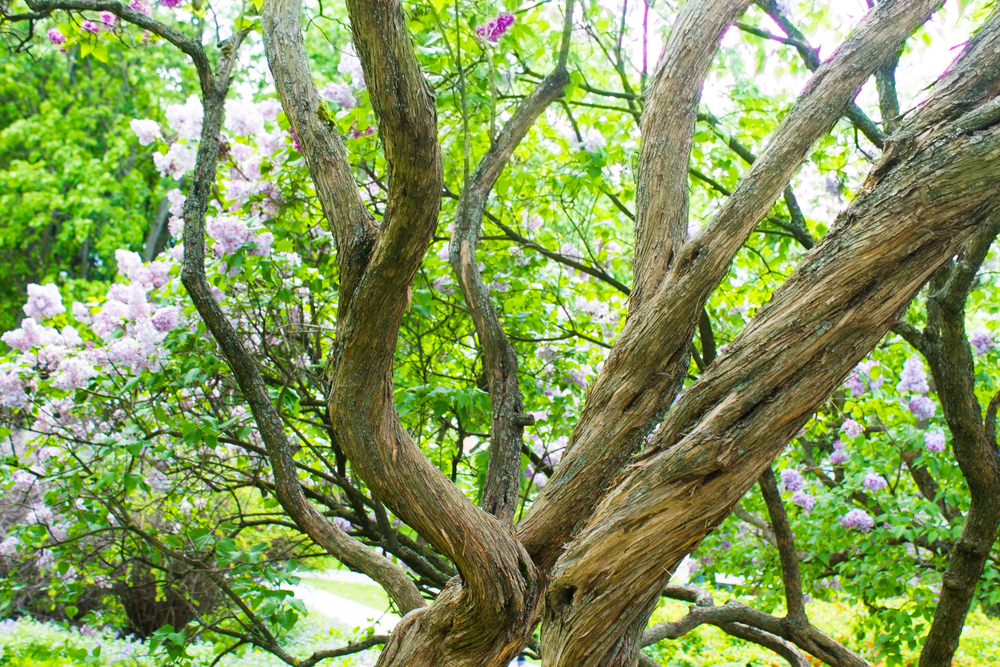
If you have an old, leggy barberry hedge that’s seen better days, don’t be afraid to go radical with your pruning. You can actually cut the plant back by up to two-thirds of its size! Just make sure to leave one or two “sleeping eyes” (buds) on each branch. This is where the plant will push out its new growth. It might look a little bare at first, but in a few years, your barberry will be thicker and more vibrant than ever.
Pro tip: To protect nesting birds and local wildlife, save these heavy structural cuts for the winter months. Aim for a frost-free day in January or February to get the job done safely.
The Right Shape for Success
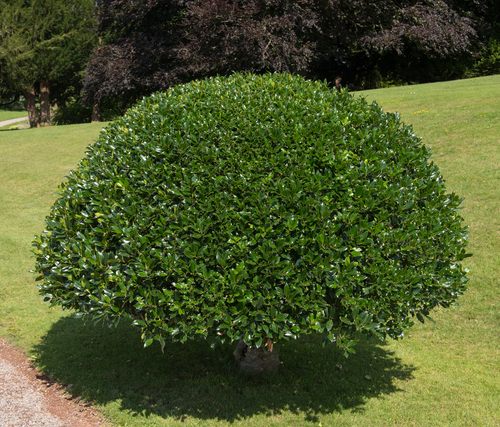
Whether you’re growing a single shrub or a long hedge, you should always aim for a trapezoid shape—meaning the bottom should be wider than the top. This “A-shape” ensures that sunlight reaches the lower branches. If the top is wider than the bottom, it shades out the base, leading to those ugly bare spots we all want to avoid.
Don’t Toss Those Clippings!
Before you throw those trimmings into the compost bin, check their size. If you have healthy cuttings about 4 to 6 inches long, you can use them as cuttings to grow brand-new plants. Just stick them into a pot with some moist starter soil. Before you know it, they’ll develop roots, and you’ll have new little barberry shrubs ready to be planted elsewhere in your garden!