
A plant is truly “bee-friendly” when it offers our buzzing friends plenty of sweet nectar and protein-rich pollen. To help you turn your backyard into a pollinator paradise, I’ve put together a list of the 7 most popular bee plants—plus a little “insider secret” that bees absolutely go crazy for.
[[pflanzen]]
++Apple Tree (Malus domestica)
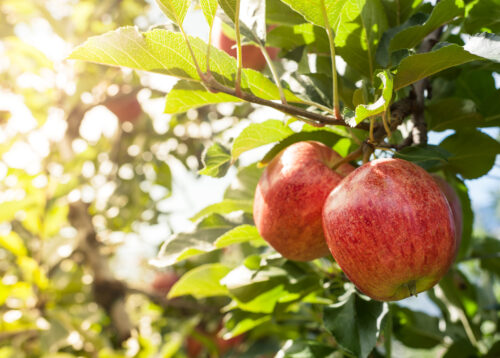
It’s hard to find a plant that packs more food for bees into a small space than an apple tree. The blossoms are large and bowl-shaped, making it super easy for insects to reach the nectar and pollen. It’s a win-win situation, too: while the bees enjoy their sweet snack, they cross-pollinate the flowers, ensuring you get a bumper crop of fruit come fall.
++Raspberry (Rubus idaeus)
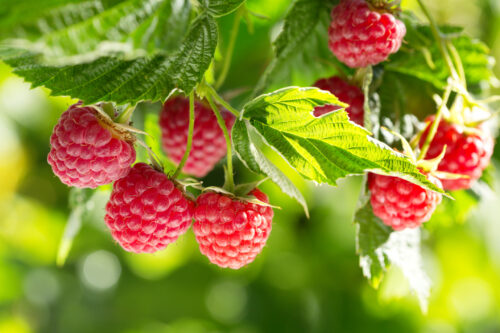
Raspberry bushes are a goldmine for bees because they produce massive amounts of nectar and pollen. Interestingly, the sugar content in raspberry nectar can vary between 20% and 70% depending on the variety—and the sweeter it is, the more the bees love it! Plus, the way the flowers hang makes them very easy for bees to access.
++Borage (Borago officinalis)
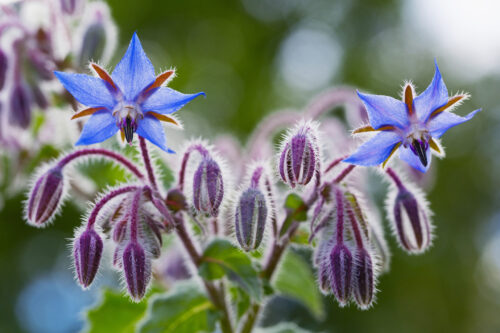
A diverse herb garden is like a five-star restaurant for bees, and Borage is the star of the show. Also known as “Starflower,” this herb produces an incredible 1.2 milligrams of sugar per flower every single day. Because it recharges its nectar so quickly, you’ll see hardworking bees visiting these blue blooms almost non-stop.
++Oxeye Daisy (Leucanthemum)
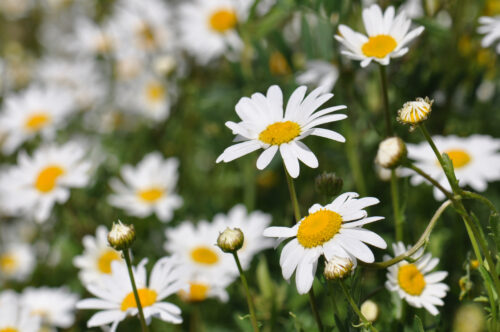
With their bright white petals and sunny yellow centers, daisies act like a neon “Open” sign for bees. They aren’t just for honeybees, either; wild bees, hoverflies, butterflies, and beetles all flock to them. These low-maintenance perennials thrive in almost any soil, but for the best bloom show, give them a sunny spot protected from harsh winds.
++Lacy Phacelia (Phacelia)
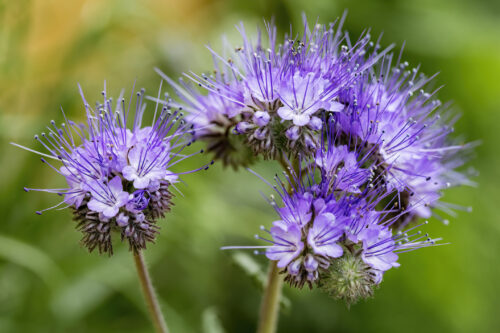
In many places, this plant is literally called “Bee’s Friend,” and for good reason! Its unique purple-blue curls attract pollinators like almost nothing else. It’s also a fantastic green manure for improving your soil. If you sow Phacelia in late summer in empty garden beds, it will provide food right up until the first frost. It’s incredibly hardy—just give it a little water during dry spells, and it’ll do the rest.
++Catmint (Nepeta)
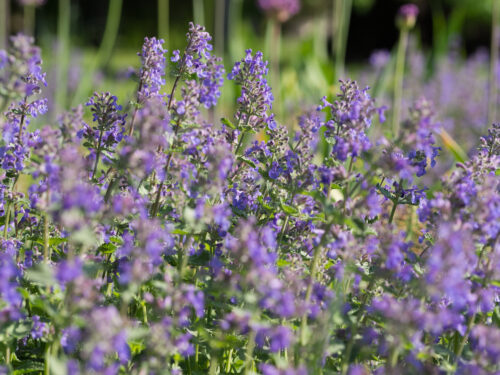
There are about 250 varieties of Catmint, and almost all of them love sunny, dry spots. This bushy perennial grows about 12 to 24 inches tall and blooms its heart out. From dawn until dusk, you’ll hear a constant hum coming from its pretty tubular flowers. As a bonus, it has a lovely herbal scent that actually helps keep mosquitoes away while the bees feast.
++Sunflower (Helianthus annuus)
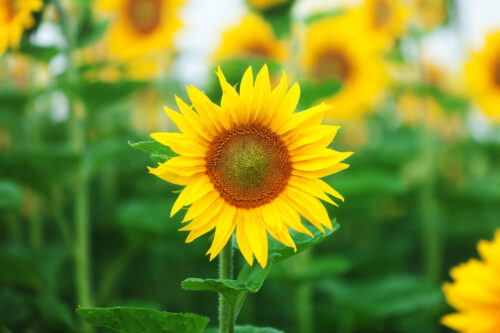
Sunflowers are the cheerful giants of the garden. They provide vital pollen and nectar in late summer when other flowers might be fading. Just a heads-up: stick to the “Common Sunflower” varieties. Many new hybrids bred for floral bouquets are “pollenless” and won’t help the bees at all. Once they finish blooming, leave the seed heads out for the birds, and keep the pithy stems standing—they make great nesting spots for wild bees!
%%English Ivy (Hedera helix)
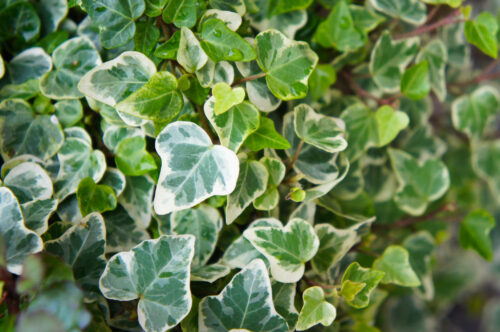
If bees could vote, Ivy would definitely be at the top of their list. Since Ivy blooms starting in late September, it provides a critical “last meal” before winter when most other plants are dormant. The flowers are subtle and greenish, but they are packed with nectar. Just keep in mind that Ivy only flowers once it’s mature, so you’ll need a few years of patience before it becomes a true bee magnet.