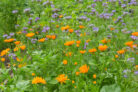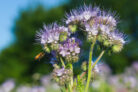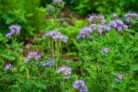
Phacelia—often called “Bee Friend” or “Lacy Phacelia”—is a hardworking summer flower with sweet nectar that acts like a magnet for pollinators. One of the coolest things about this versatile plant is that it’s not related to any of our typical garden veggies. That means you can toss it into your crop rotation as a “cover crop” to boost soil quality without worrying about passing on diseases. Here’s how to put Phacelia to work as green manure in your own backyard.
How Green Manure Actually Works
“Green manure” is just a fancy gardening term for growing specific plants as a placeholder between your main crops. But it does way more than just sit there. While some cover crops help fix nitrogen in the soil, Phacelia offers a whole list of other awesome benefits:
- It builds up rich organic matter (humus) in your soil over time.
- It stabilizes the soil, making it more resistant to erosion.
- Those roots are great at breaking up compacted dirt and loosening things up.
- The blooms provide a massive feast for local bee and butterfly populations.
- It grows thick enough to naturally choke out weeds on empty garden patches.
How to Grow Phacelia for Your Soil
You’ve probably heard a lot about Phacelia lately because it’s a superstar for supporting declining bee and butterfly populations. It’s become so popular for conservation that even public parks are starting to plant it!
Beyond being eco-friendly, this leafy plant can grow up to 40 inches tall and looks gorgeous in a flower bed. It’s tough, too—it’ll even grow on steep slopes where other plants struggle. With its striking white to violet-blue petals, it adds a beautiful pop of color to any summer landscape.
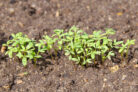
The best part? Seeds are super affordable and germinate in no time. To get started, just clear your bed of any existing weeds and give the soil a light raking. Scatter the seeds, cover them slightly, and keep the area consistently moist.
Timing is Everything
If your main goal is green manure, there’s a little catch: you might have to sacrifice some of those flowers. As Phacelia grows, its nitrogen content is at its peak right before it blooms. To get the absolute best soil-boosting results, you’ll want to mow the plants down just before they flower. Let the foliage dry out for a bit, and then tilling it directly into the earth.
Mix and Match for a Better Garden
You don’t have to stick to just one type of cover crop. Phacelia plays really well with others! For a powerhouse soil treatment, try mixing your Phacelia seeds with other green manures like yellow mustard or lupines. Your soil (and the bees) will thank you!