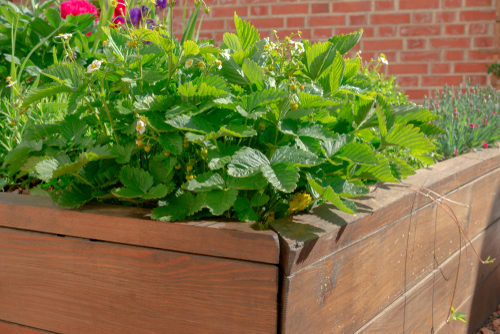
Growing your own fruits and veggies in raised beds is becoming a huge trend, and honestly, I’m here for it! It’s not hard to see why: they make gardening so much easier on your back and offer some serious perks for your plants. While most people think of greens or tomatoes, “snackable” fruits like berries actually thrive in a raised bed setting.
Berry Bushes and Raised Beds: A Match Made in Heaven
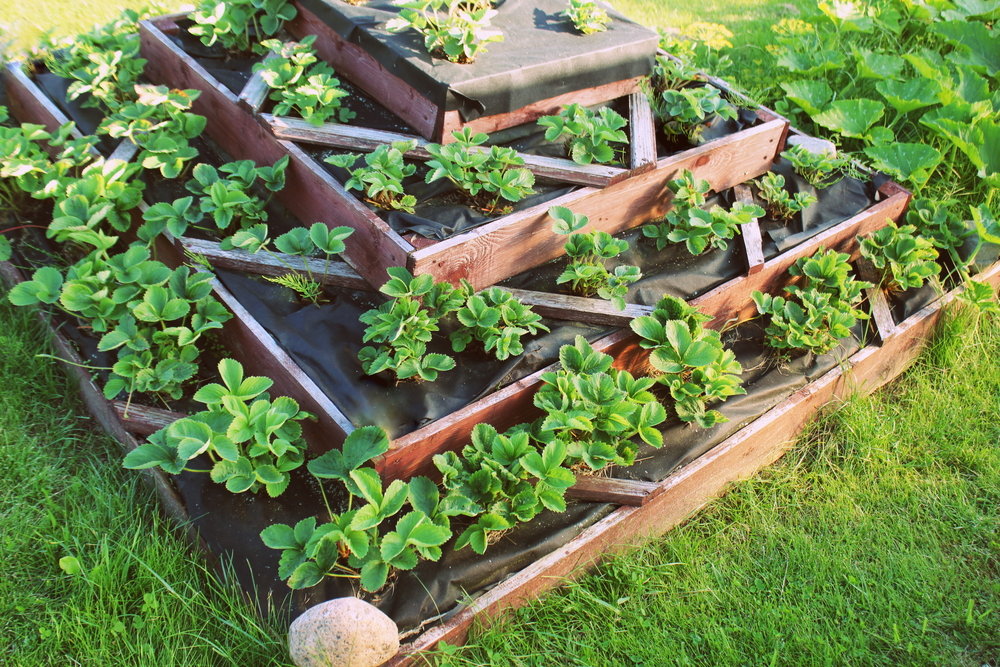
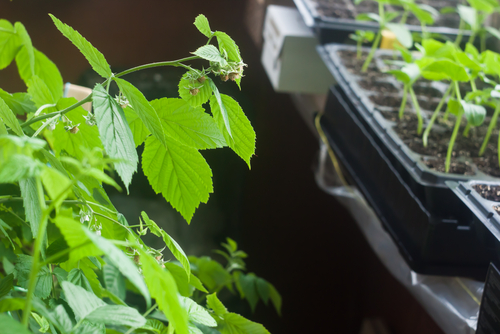
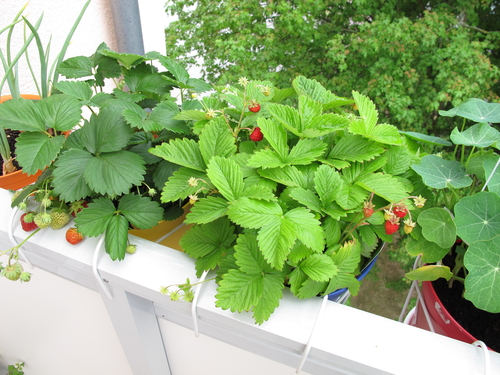
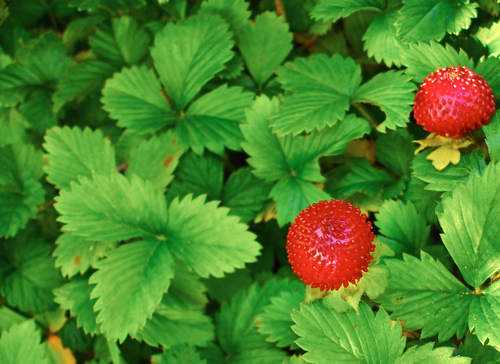
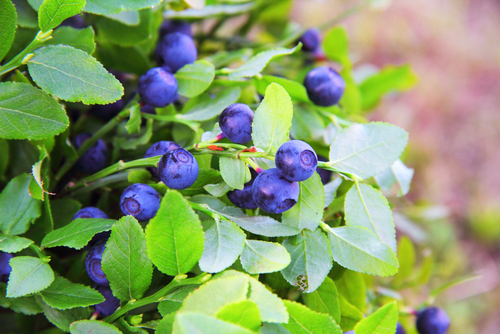
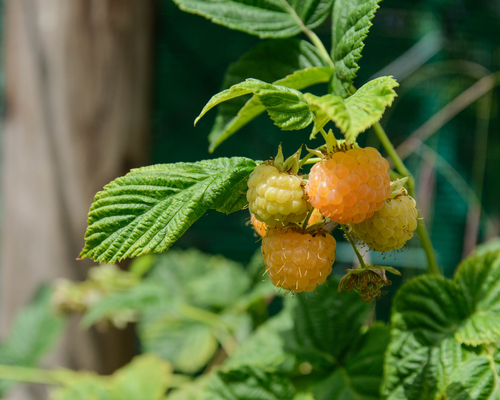
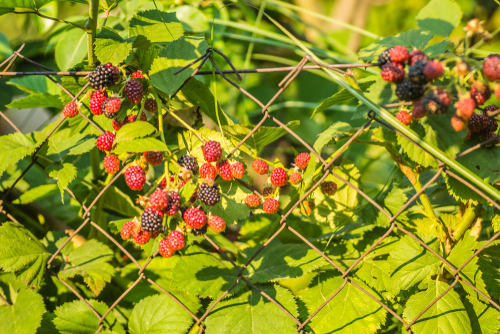
Strawberries are a classic choice for raised beds. Since they stay low to the ground, they fit perfectly and stay much cleaner. Plus, being elevated gives them a bit of a “security guard” against hungry critters. But don’t stop there—you can also grow berry bushes like raspberries or blackberries! These perennials can actually live happily in a raised bed for years if you treat them right.
Getting Started: Tips for Success
Once you’ve got your berry bush tucked into its new home, you’ll want to do a little initial pruning. Go ahead and snip off any canes or shoots that look:
- Weak or spindly
- Dried out
- Damaged
- Like they’re crossing over each other
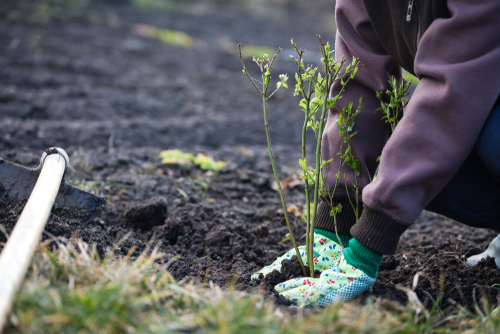
Since space is a bit more limited in a raised bed, you’ll want to keep the plant manageable. I recommend picking the three or four strongest, healthiest-looking canes and letting those be your stars. After planting, give them a good soak. You’ll want to keep that soil consistently moist for the first few weeks while they get settled.
To keep your berries happy and fed, mix a little compost into the soil around April. I like to add some horn shavings (a great slow-release nitrogen source) for an extra boost. One golden rule: berries hate “wet feet,” so make sure your raised bed has excellent drainage to avoid root rot. Also, remember that most berries are total sun-worshippers, so try not to tuck your bed away in the shade.
Caring for Your Raised Bed Berries
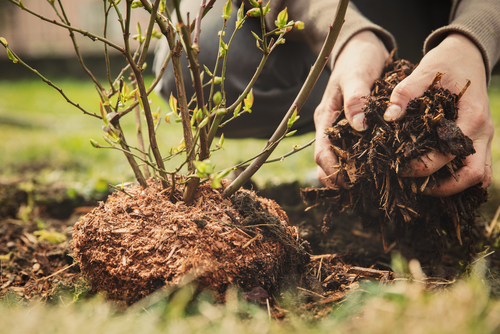
The best part? Once they’re established, berries are pretty low-maintenance. Just keep up with the watering so the roots stay moist (but never soggy). A layer of bark mulch on top is a pro move—it helps lock in moisture and keeps things tidy.
As soon as harvest season is over, give your bushes a good trim. This encourages fresh new growth and keeps the plant feeling young and productive. One last tip: if you don’t want the local birds to treat your garden like an all-you-can-eat buffet, it’s a smart idea to drape some bird netting over your bed once the fruit starts to ripen. Happy snacking!