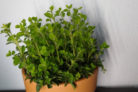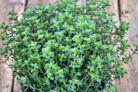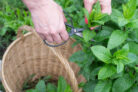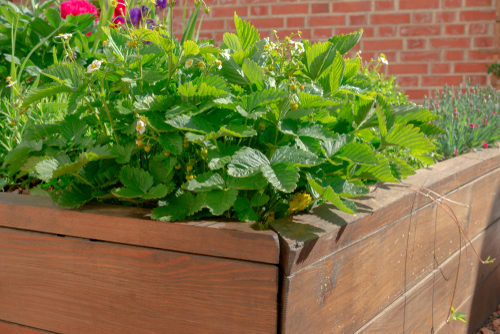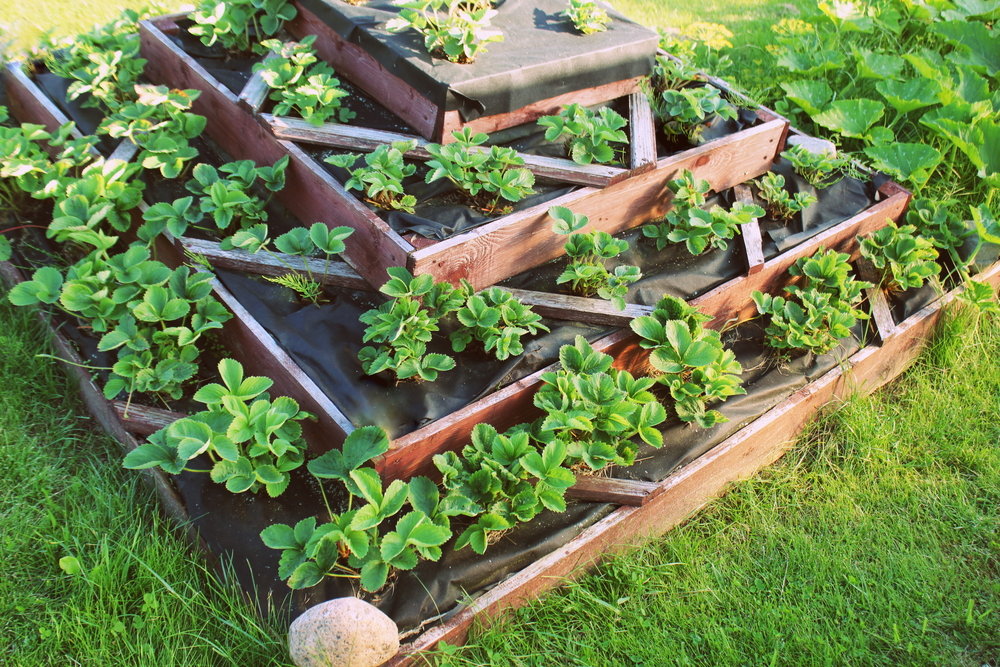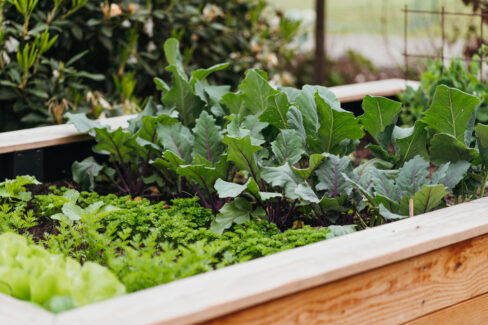
Raised beds are a total game-changer for herb gardening in the summer. Whether you’ve got a sprawling backyard, a cozy patio, or just a tiny balcony, there’s a raised bed out there that puts fresh flavors right at your fingertips. But once winter rolls around with those freezing temps, the harvest usually comes to a screeching halt. So, what’s the game plan for your herbs when the frost hits?
Know Your Herbs: Annuals vs. Perennials
For annual herbs like basil, dill, marjoram, chervil, and cilantro, “overwintering” isn’t really a thing. These guys live for one season and then call it quits. You’ll need to start fresh with new seeds next year once the days get warm and bright again. Pro tip for the fall: Leave a few flowers on the plants so they can go to seed. You can harvest those seeds and save them for next spring’s planting!
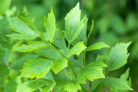
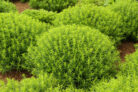
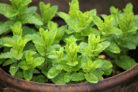
On the other hand, perennial herbs and shrubs actually get better with age, coming back bigger and bushier every year. We’re talking about favorites like sage, rosemary, burnet, lavender, oregano, thyme, chives, lemon balm, and peppermint.
Protecting Your Sensitive Perennials
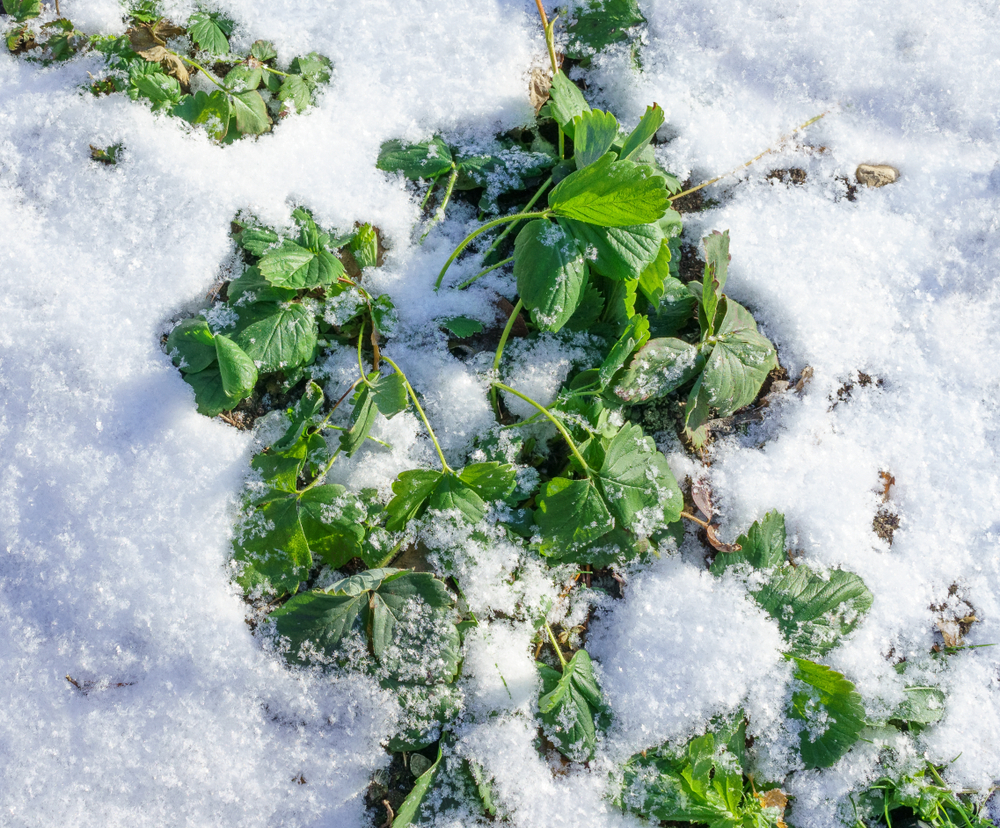
Not every perennial is a winter warrior. While mint, parsley, and chives are pretty tough, others need a little help. Keep in mind that the soil in a raised bed freezes much faster than the ground in a standard herb garden or a herb spiral. To keep them cozy, tuck your herbs in before the first frost with a thick “blanket” of:
- Dried leaves
- Brushwood
- Straw
- Evergreen branches
- Or breathable garden fleece
Special Care for Mediterranean Herbs
Mediterranean herbs are the real divas when it comes to cold weather. They’re used to mild winters back home and can only handle a slight dip below freezing. Can you gamble on a mild winter and leave them in the raised bed? Sure, but one really nasty cold snap and they’re toast.
If you want to play it safe with rosemary, lemon verbena, and their friends, dig them up before the first freeze and move them into pots. They’ll be much happier spending the winter in a cool, frost-free spot indoors. If you don’t have the space for indoor plants, make sure to prune them back and put those clippings to good use! You can dry or freeze most herbs, or turn them into oils and pestos. Juicing herbs is also a huge trend right now. Then, you can simply replant or sow new seeds once spring returns.
Quick Tip:
Herbs staying outside in the raised bed might still get thirsty. If the soil isn’t frozen, give them a little water on days when the temperature is above freezing.