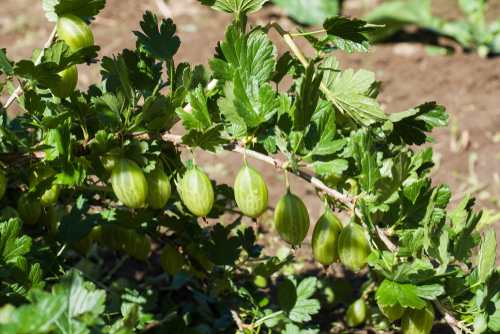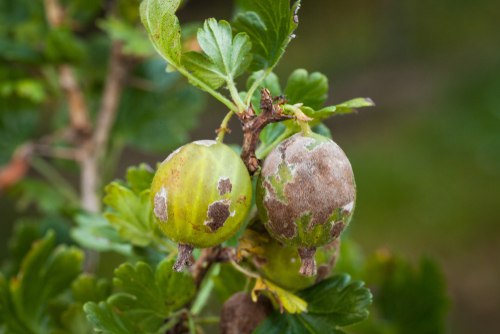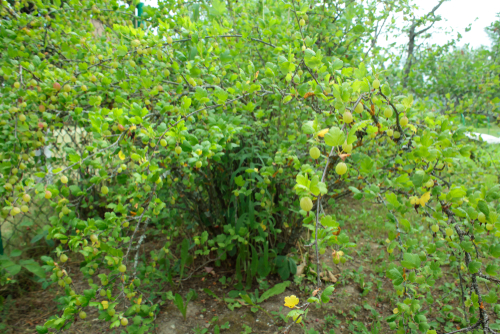
Gooseberries are naturally tough and vigorous plants, but if you want to see a bumper crop of juicy berries, they do need a little TLC. To keep your bushes happy, you’ll want to focus on three main things: consistent watering, the right nutrients, and a regular pruning routine.
Watering Your Gooseberries
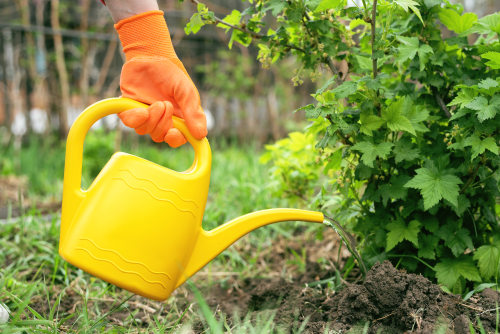
If there’s one thing gooseberries can’t stand, it’s dry, sandy soil. These plants much prefer a moist, loamy environment. Because of this, you’ll need to keep a close eye on them during those hot, dry summer days. If Mother Nature isn’t providing enough rain, give your plants a good soak in the morning. It’s okay if the very top of the soil dries out a bit, but you want to make sure it stays consistently moist deeper down.
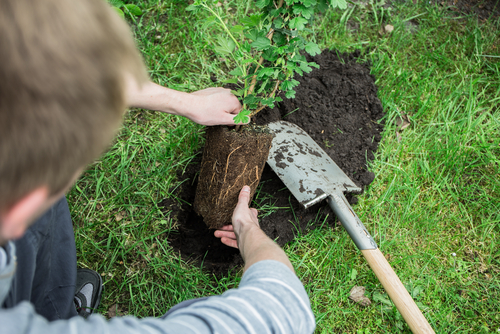
That said, don’t let them sit in a puddle! Waterlogging can lead to root rot, which is bad news for any gardener. You can prevent this by loosening up the soil well before you even plant. To help hold that moisture in longer, I highly recommend adding a layer of mulch around the base. Some great natural options include:
- Nettle leaves
- Comfrey
- Fern fronds
Fertilizing for a Big Harvest
Gooseberries are what we call “heavy feeders,” meaning they have a big appetite for nutrients. To keep up with their demands, a mix of organic fertilizer and mulch is the way to go. Here’s a simple schedule to follow:
- In March, gently work some ripe compost and horn shavings into the top layer of soil.
- Repeat this process once after the plant finishes blooming and again right after you’ve harvested your berries.
- Keep that mulch layer (nettle, comfrey, or fern) refreshed.
- Starting in April, you can give them a boost every two weeks with a liquid organic feed, like nettle tea or horsetail tea.
I always recommend organic options over chemicals whenever possible. However, if you can’t get your hands on organic materials, a standard store-bought berry fertilizer will do the trick—just be sure to follow the dosage instructions on the package carefully.
Pruning Your Gooseberry Bushes
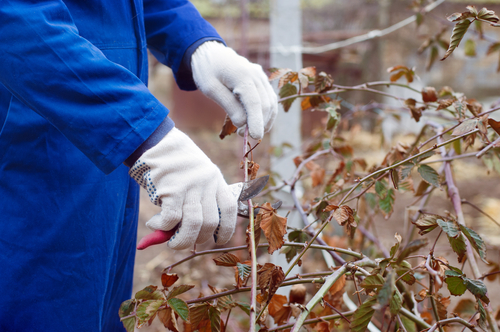
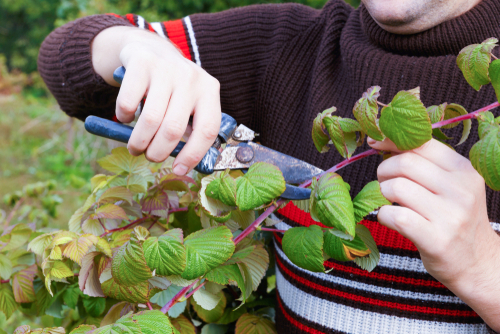
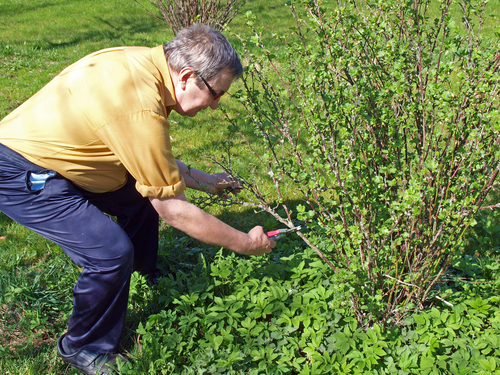
Regular pruning is a must for gooseberries. If you just let them grow wild, the bush will eventually become “senile,” looking woody and producing fewer and fewer berries. Thinning out the branches also improves airflow, which helps keep diseases and pests at bay. Plus, removing old, stunted wood encourages the plant to put its energy into fresh, productive new growth. Here’s how to tackle the job:
- Identify the two oldest main stems.
- Cut these all the way back to the base of the plant.
- Look at the new shoots that have popped up and pick the two strongest ones to keep.
- Snip off all the other new shoots right at the root.
- On your main stems, keep about three long side-shoots, as these are where your fruit will grow.
- For any branches that have already fruited, prune them back, leaving just two buds.