In general, blackberries are pretty low-maintenance guests in the garden. However, if you want a massive harvest and a plant that stays healthy year after year, there are a few simple tricks you should know. Let’s dive into the best ways to keep your blackberry patch thriving!
Watering and Pruning Your Blackberries
If you’ve planted your blackberries in the ground in nice, loose, organic soil, you’re in luck—they rarely need much watering. You really only need to step in with the hose during long dry spells. One exception is during the ripening phase; that’s when the plant is working overtime and needs plenty of energy and hydration. If you do water, try to do it in the early morning or evening.
Now, if you’re growing blackberries in containers, it’s a different story. Since their roots can’t reach deep into the earth to find moisture, you’ll need to water them regularly to keep them happy.
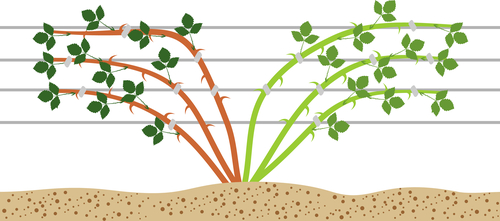
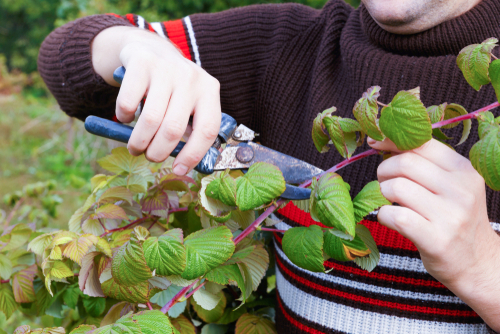
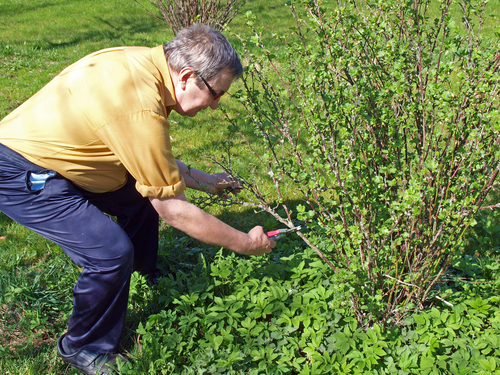
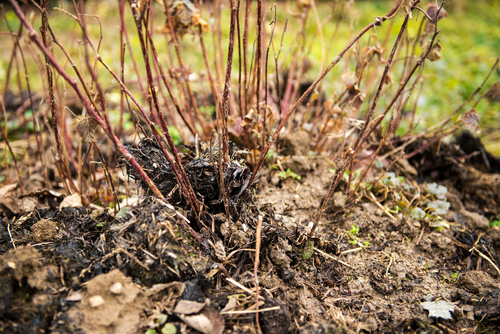
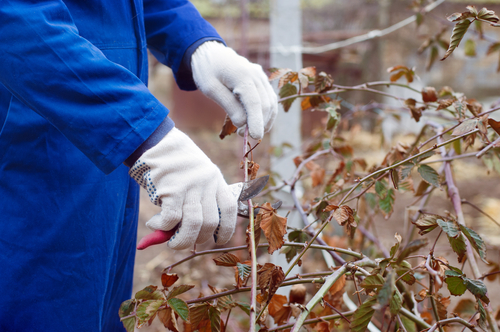
Pruning is where the real magic happens. Blackberries produce fruit on two-year-old canes, so you’ll want to clear out the old ones to make room for fresh growth. The best time for this is in the fall, right after you’ve finished harvesting. If you notice individual canes getting a bit too wild (longer than about 8 feet), go ahead and tip them back in the spring. This encourages the plant to grow more side branches, which means more berries for you!
Fertilizing and Winter Care
When it comes to feeding your plants, you can find specialized berry fertilizers at any garden center that provide all the right nutrients. If you prefer to keep things organic, your blackberries will love:
- Chicken, horse, or cow manure
- A nice layer of grass clipping mulch
As for winter, blackberries in the ground are tough cookies and usually don’t need extra protection. Just make sure to prune away those old canes so pests don’t try to move in for the winter. Container-grown berries are a bit more vulnerable to the cold, though. To keep them safe, move the pot against a warm house wall and set it on an insulating pad. Wrapping the pot in bubble wrap and covering the soil with some evergreen brush will help them snooze safely until spring.
Preventing Pests and Diseases
The best way to keep diseases and pests at bay is to give your plants some breathing room. Don’t let the canes turn into a tangled, overgrown mess. Thinning them out ensures plenty of sunlight and airflow reach the center of the plant. A dense, damp thicket is basically an open invitation for bugs and fungus, so keep things airy and bright!