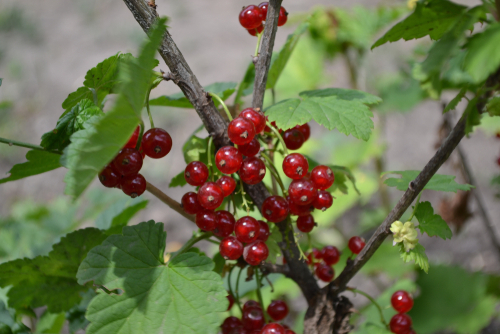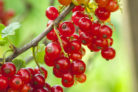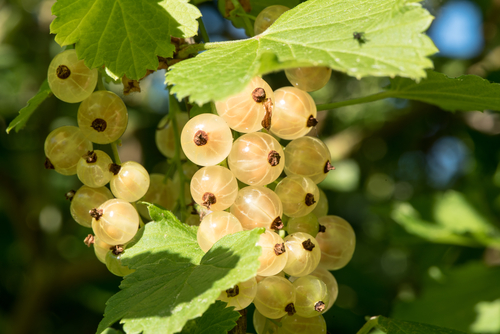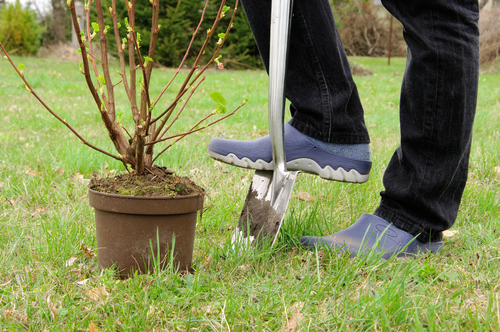
Red currants are easily one of the most popular berries out there, and let’s be honest—nothing beats the taste of a handful picked fresh from your own backyard. They’re super low-maintenance and naturally hardy against diseases, making them a dream for home gardeners. To make sure your bushes thrive and give you a massive harvest, there are just a few key things to keep in mind when planting.
Where do red currants come from?
Believe it or not, red currants are actually part of the gooseberry family. You might be wondering, “Wait, where are the thorns?” While wild currants do have small prickles, the cultivated varieties we grow in our gardens today are totally thorn-free. These shrubs can live for up to 15 years, though most popular varieties will give you their best fruit for about the first 10 years.
Pro tips for planting
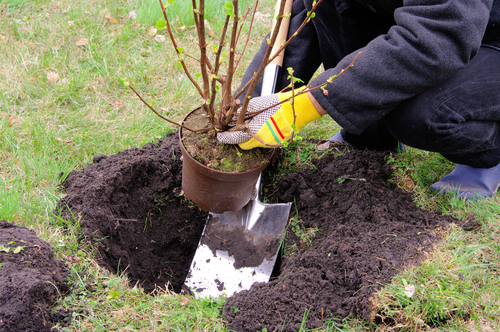
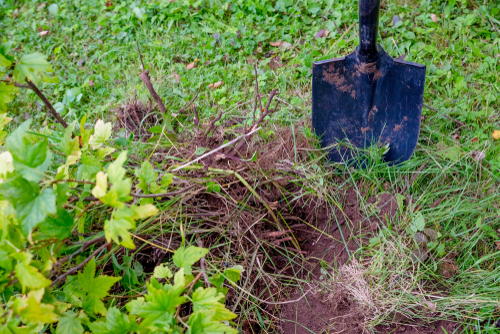
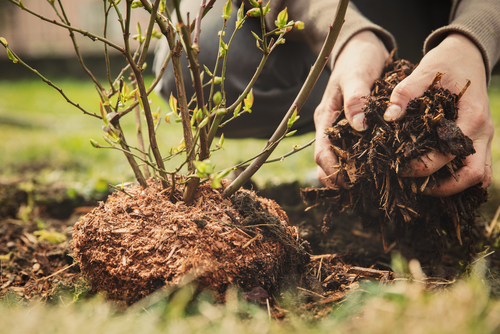
Just like most berry bushes, fall is the absolute best time to get them in the ground. The soil is usually nice and moist, and you don’t have to worry about sudden heatwaves or long dry spells. This gives the roots a chance to settle in without drying out. If you missed the fall window, early spring is your next best bet, but keep these three things in mind:
- Make sure the ground isn’t frozen,
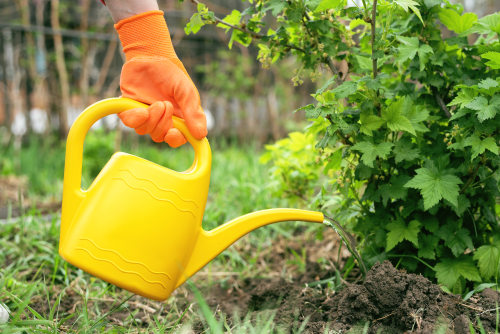
- Be ready to water them regularly, and
- Only use “container-grown” plants (not bare-root) for spring planting.
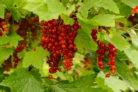
When picking a spot, go for full sun! Plenty of sunlight is the secret to getting those big, juicy, flavorful berries. If they’re stuck in the shade, the fruit will stay small and likely drop off before it’s even ripe. You’ll also want a spot protected from the wind—next to a wall or fence works great. As for the soil, they love it loose, well-draining, and rich in nutrients. Keep the dirt consistently moist, but make sure it’s not soggy (no “wet feet”!). If you’re short on space, smaller varieties are actually perfect for growing in pots.
Harvesting your red currants
Depending on the weather, you can usually start finding ripe berries as early as late June. Since the berries on a cluster don’t all ripen at the exact same time, you won’t be overwhelmed with a massive “berry explosion” all at once. It just means you’ll get to head out for several mini-harvests throughout the month! Most of the season wraps up by late July. One heads-up: humans aren’t the only ones who love these treats—birds will try to beat you to them. A bird net can be a lifesaver, just make sure the mesh is fine enough so our feathered friends don’t get tangled up in it.