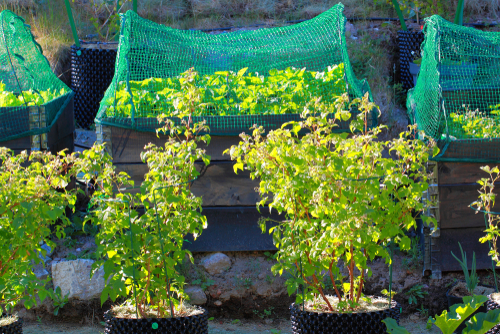
Even though raspberries aren’t the most demanding fruit plants in the garden, they still need a little TLC to really thrive. A bit of maintenance goes a long way in ensuring you get a bumper crop of sweet, juicy berries. Here’s everything you need to know about keeping your raspberry patch happy.
What Raspberry Care Looks Like
As long as they’re planted in a good spot, raspberries are actually pretty low-maintenance. To keep them in top shape, you’ll want to focus on these key tasks:
- Keeping them hydrated with regular watering
- Giving them a nutrient boost with occasional fertilizing
- Pruning them back properly
- Keeping an eye out for pests and diseases
- Providing a sturdy trellis or support system
Watering and Feeding Your Raspberries
When it comes to water, raspberries are a bit like Goldilocks—they don’t like it too dry, but they hate “wet feet.” You should water them whenever the top layer of soil feels dry to the touch. Just be careful not to overdo it; standing water can lead to root rot, which is bad news for your plants.
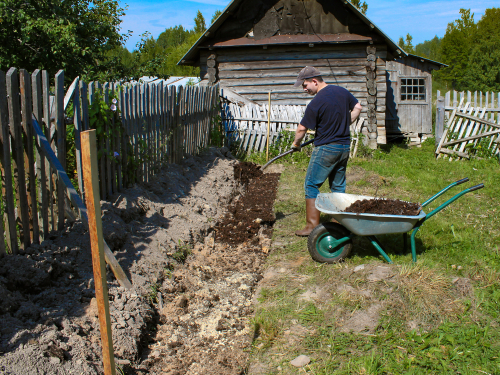
You’ll want to fertilize your raspberries twice a year. The first round happens in the spring to help the plant develop plenty of strong buds. The second round should be done right after the harvest to give the plant enough energy for next season. While you can find specialized berry fertilizers at any garden center, I’m a big fan of organic options. You can use:
- Mature compost
- Peat moss
- Nettle tea (a great homemade liquid fertilizer!)
- Well-rotted manure
A quick heads-up on peat moss: while it’s a natural product, it’s not the most eco-friendly choice since it’s harvested from threatened peat bogs. If you’re looking to stay green, compost is usually your best bet.
Pruning and Supporting Your Plants
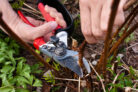
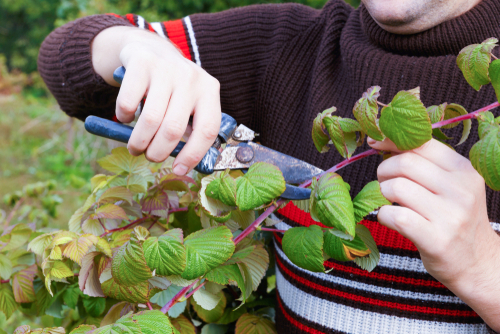
Pruning usually happens right after the harvest, but how you do it depends on the variety. For fall-bearing raspberries, you can cut the whole plant down to the ground. For summer-bearing types, you only want to prune the two-year-old canes that have already fruited, as they won’t produce again. Of course, if you see any weak or diseased stems, go ahead and snip those off whenever you spot them.
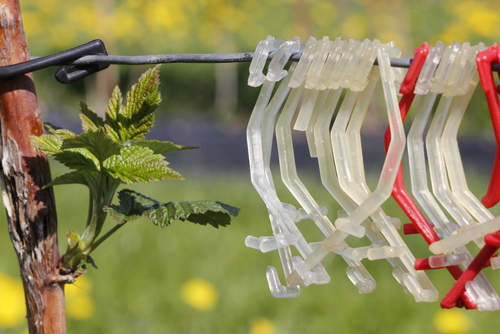
Most raspberry varieties love to grow long, lanky canes. Between the wind and the weight of all that delicious fruit, they can easily flop over onto the ground. To prevent a messy (and dirty) harvest, make sure to provide a trellis or some kind of support. Tying the canes up keeps the fruit off the soil and makes picking much easier.
Winterizing Your Raspberries
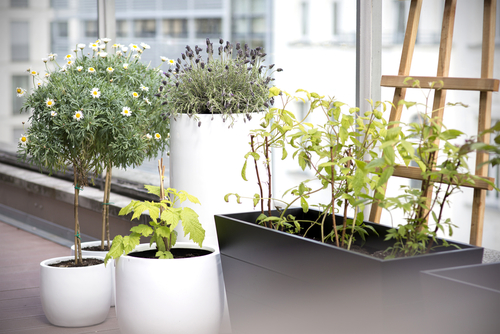
If you have established raspberries growing in a garden bed, they’re usually tough enough to handle the winter without any extra help. However, if you’re starting new young plants, a little frost protection can be a lifesaver. The same goes for raspberries growing in pots on a balcony or patio.
For container plants, wrap the pot in a few layers of bubble wrap or garden fleece and set it on an insulated base (like a wooden pallet or a piece of foam). It’s also a good idea to tuck the pot against a sheltered wall of the house to block the wind. Finally, cover the soil with some brushwood or bark mulch to keep the roots cozy until spring.