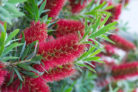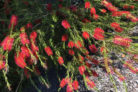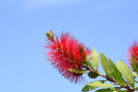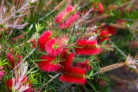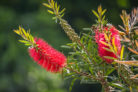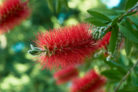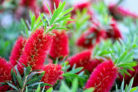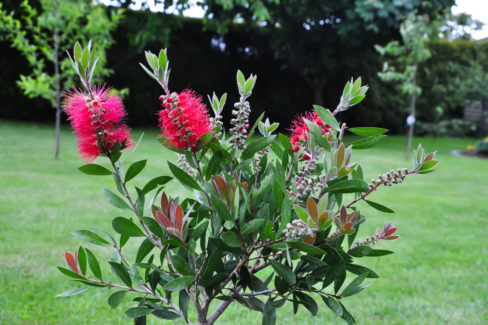
The Bottlebrush plant is a total showstopper with those iconic, fiery red blooms. Every spring, we gardeners wait impatiently for that pop of color, but sometimes, our plants just don’t seem to want to cooperate. If your Bottlebrush is staying green instead of turning red, it’s usually not just being stubborn—there’s likely a specific reason it’s struggling to bloom.
Late Pruning is the Usual Suspect
Pruning is a huge part of keeping a Bottlebrush healthy, but timing is everything. These plants actually start setting their new flower buds almost immediately after the current blooms fade. Because of this, you really want to get your trimming done right after the flowering ends—ideally by June at the latest. If you wait too long and prune later in the season, you’re essentially cutting off next year’s flowers. Unfortunately, there’s no “undo” button for a pruning mistake, but you can definitely keep it in mind for next season!
Your Shrub Might Need a Nap
Back in its native Australia, the Bottlebrush (botanically known as *Callistemon*) takes a few months off every year to rest. During this dormant phase, it stops growing and blooming to recharge its batteries for the next big show. Our plants here need that same “beauty sleep.” Since the Bottlebrush isn’t frost-hardy, you’ll need to bring it indoors for the winter (usually from September through mid-May).
The trick is finding the right spot: it needs to be bright but cool, ideally between 40°F and 50°F (5-10°C). A cozy, heated living room is actually too warm and won’t let the plant go dormant. Even if you grow yours as a year-round houseplant, you’ll need to move it to a cooler room for a while to trigger those blooms.
Quick Tip:
Don’t forget to keep watering your evergreen friend during the winter, but definitely skip the fertilizer. Giving it nutrients too early will wake the plant up prematurely and force new growth when it should be resting.
Other Reasons for a “No-Show”
If pruning and dormancy aren’t the issues, there might be something else going on with its environment. Check this list to see if any of these common stressors are the culprit:
- Not enough light: These guys are sun-worshippers and need full sun.
- Too chilly: Don’t move them outside until the threat of frost has passed in the spring.
- Hungry plants: They need regular fertilizer during the active growing season.
- Thirsty roots: Never let the root ball dry out completely.
- Unwanted guests: Keep an eye out for spider mites or aphids.
A Final Note:
Frost damage is a common bloom-killer. If the plant stays out too late in the fall or goes out too early in the spring, the buds can freeze. If you live in a mild climate and leave yours outside, make sure to wrap it well in burlap or garden fleece to keep it snug!