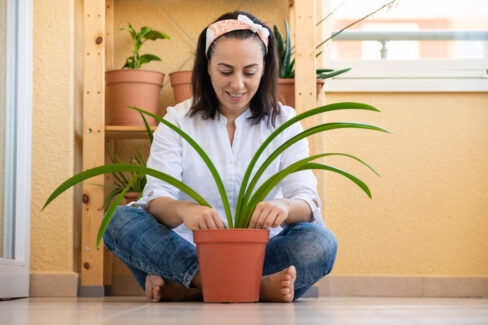
Sure, the Clivia (or Bush Lily) might be a bit more high-maintenance than your average houseplant, but man, that bloom phase makes every bit of effort worth it! To keep your plant happy and healthy, though, you’ve got to switch up your routine once those flowers start to fade.
When do Clivias actually bloom?
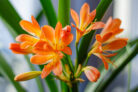
Typically, you’ll see Clivias showing off their stuff between February and May. Depending on the variety you’ve got, you’ll be treated to vibrant orange or fiery red blossoms. Pro tip: If you’re hoping to harvest some seeds after the flowering is done, you’ll need to play bee and help with pollination using a small paintbrush.
How to adjust your Clivia care after the blooming season
Once your Clivia is done flowering, it’s time to check a few things off your to-do list:
- Scale back on fertilizer
- Repot if the plant is getting too snug
- Deadhead those faded blooms
- Trim away any “pups” (offsets)
Adjusting your fertilizer routine
By cutting back on fertilizer, you’re helping your Clivia prep for its essential winter nap. Without this dormant period, your Clivia won’t bloom next year. Start gradually reducing the amount of food and spacing out the feedings after the flowers drop, aiming to stop fertilizing entirely by September.
If you prefer using a slow-release fertilizer, just apply it once a year in the spring—that way, you don’t have to worry about adjusting the dosage later on.
Repotting and pruning after the glow-up
If your Clivia needs a new home, the best time to repot is right after the flowers have withered. You should also remove any spent flower stalks pretty quickly. The only exception? Any flowers you’re saving for seeds. Since seeds need to fully ripen to be viable (and can sometimes even sprout right on the plant!), leave those ones alone.
After the blooming phase, your Clivia will start producing “pups” or offsets, which are great for propagation. If you want to grow new plants, wait until these pups are at least 8 inches (20 cm) tall before cutting them away. Even if you aren’t looking to expand your collection, it’s a good idea to remove them so the mother plant has plenty of breathing room in her pot.