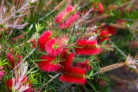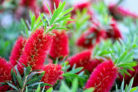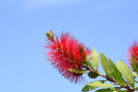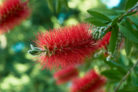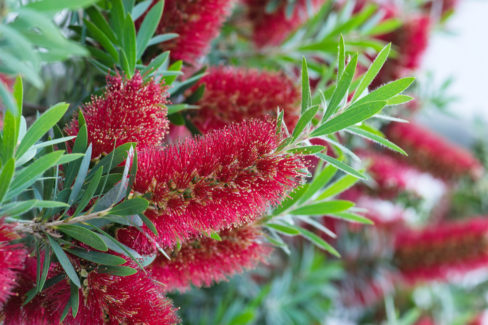
The Bottlebrush plant (botanically known as *Callistemon*) is famous for those stunning, fuzzy red blooms at the tips of its branches. Because they look so cool, most gardeners are a little hesitant to grab the pruning shears—nobody wants to snip away that beauty! But here’s the thing: your bush will actually be much happier and healthier with a regular trim. The trick is knowing exactly when and how to do it.
Why Pruning is a Must
Here is why you should give your Bottlebrush a little haircut every year:
- To prevent it from getting “leggy” or bare at the bottom
- To maintain a nice, compact shape
- To encourage denser, bushier growth
- To ensure a massive explosion of flowers next season
You won’t reach all these goals with just one chop; it’s more about a few well-timed sessions throughout the year. Plus, if you’re looking to propagate your plant, you can take cuttings from February to March or August to September. And don’t forget—those flowery stems make gorgeous additions to indoor floral arrangements!
The Main Event: Pruning After the Bloom
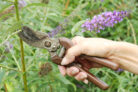
Callistemon sets its flower buds the year before they actually open. This is why you should wait until *after* the flowers fade before doing any major pruning. If you prune too heavily in the early spring or late fall, you might find that your plant fails to bloom the following season. Go ahead and trim back all the spent flower heads, but be careful not to cut too deep into the old, woody growth. Usually, just snipping right below the flower spike is plenty.
Of course, if you notice dried-out leaves or a few dead branches during the year, feel free to prune those out whenever you see them to keep the plant tidy.
Thinning Out in the Fall
Since the Bottlebrush isn’t cold-hardy enough for harsh winters, it usually needs to move indoors around September. Before you bring it inside, it’s a good idea to thin it out a bit. How much you cut depends on how much space you have and how crowded the branches look.
Pro Tip:
Because this plant is evergreen and pretty dense, it can be hard to see the overall structure of the branches. Take it slow! Cut a little at a time and step back frequently to look at the bush from different angles so you don’t overdo it.
Save the “Hard Pruning” for Spring
Younger plants don’t handle a radical “hard prune” very well—and luckily, they usually don’t need one. However, as your Bottlebrush gets older, it might eventually need a “rejuvenation” cut to get its groove back. Older plants are generally tough enough to handle a heavy cutback. Once you do, the plant will reward you by pushing out tons of fresh new growth and focusing its energy on blooming again. The best time for this major overhaul is in the spring, right as the growing season kicks into gear.