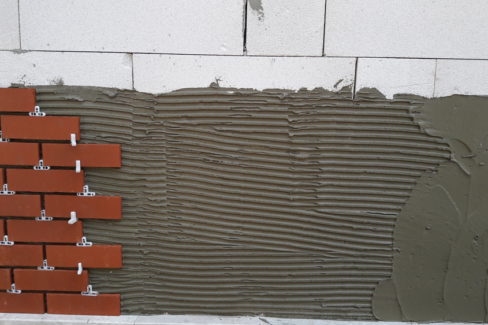
Most of the time, we think of plastering or stucco when finishing a wall—but did you know that adding a veneer is a fantastic alternative? It gives your home a completely different character. If you’re curious about how to go about it, what to watch out for, and which materials work best, you’re in the right place. Let’s dive in!
Types of Veneers
When it comes to veneering a wall, the sky’s the limit. The most important thing is to ensure your facade has a consistent, cohesive look. Here are some of the most popular options you can choose from:
- Thin Brick Veneer (Klinkerriemchen)
- Calcium Silicate Veneer
- Decorative Stone-Look Veneer
- Real Wood Veneer
Thin Brick Veneer
Thin brick veneer is still the reigning champ of wall coverings. These are actually real bricks, but they’re sliced thin—usually no more than about half an inch (14 mm) thick. The best part? You can attach them to your facade pretty easily using standard tile adhesive. While they work for both indoor and outdoor projects, they’re most common on exteriors. They create a super weather-resistant finish that’s incredibly low-maintenance. Plus, it’s a great DIY project for a weekend. Just keep in mind that while they look amazing, they can be a bit on the pricey side.
Calcium Silicate Veneer
Another fan favorite is calcium silicate veneer. These are sleek, usually white, and offer a very clean aesthetic. One thing to keep in mind: calcium silicate is naturally sensitive to moisture. Because of this, these veneers come pre-sealed from the factory, but you’ll need to re-apply a waterproof treatment every few years to keep them looking sharp and structurally sound.
Decorative Stone-Look Veneer
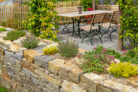
If you’re not feeling the classic brick or white stone look, don’t worry—there’s a whole world of decorative veneers out there. You can find options that mimic everything from rustic fieldstone and traditional red brick to sleek slate. Prices for these vary wildly depending on the material and the realism of the finish, so it’s worth shopping around to find a style that fits your budget.
Real Wood Veneer
You don’t see this one quite as often, but real wood veneer is a stunning choice for interior design. Note the keyword there: *interior*. These aren’t meant for the elements. At roughly $80 per square meter (or about $7.50 per square foot), it’s definitely a premium decor choice, but it adds a warmth to a room that’s hard to beat.
Veneer Masonry vs. Thin Veneer
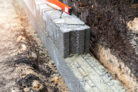
Finally, I want to clear up a little bit of terminology. Don’t confuse “veneer tiles” (like the ones we discussed above) with “veneer masonry.” Veneer masonry actually refers to a double-wall construction where the outer layer is made of full-sized facing bricks. In that case, the bricks themselves are the structural finish and are simply pointed with mortar, rather than being glued onto an existing wall.