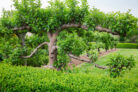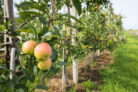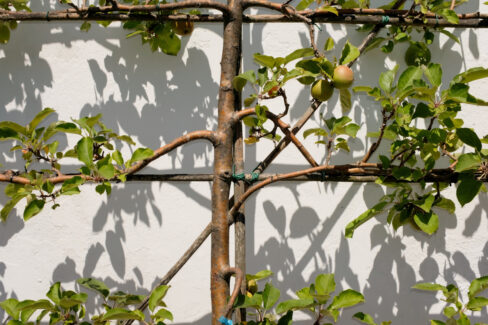
Espalier fruit trees are a total game-changer for home gardeners. The secret sauce is training the branches to grow horizontally, which gives you that classic, elegant look. To make it happen, you’ll need a sturdy trellis to guide those branches. The best part? With a little DIY spirit, you can easily build your own support system.
Why Your Trees Need a Trellis
Think of a trellis as the “skeleton” for your tree. It helps your fruit tree take on its specific shape, and you’ll want to get it in the ground before you even start planting. Pro tip: Plant your tree about 8 inches away from the trellis. This gives the roots plenty of room to spread out and ensures good airflow to keep your tree healthy. Espalier is a massive space-saver, making it perfect for tiny backyards. Just keep in mind that it does require a bit of extra TLC and pruning, especially during those first few years.
The “No-Drill” Trellis Method
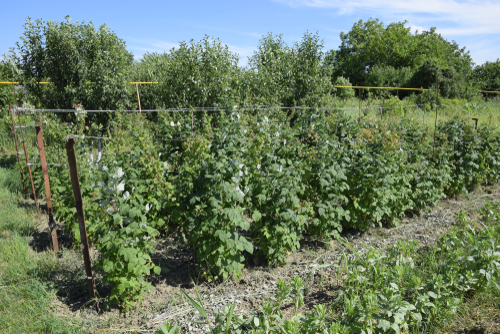
If you aren’t in the mood to break out the power drill, you can build a solid support system using just metal stakes and wire from your local hardware store. You want something that can stand up to the elements for years to come.
How to build it:
- Set the foundation: Start by driving metal stakes (rebar works great) vertically into the ground. If you’re gardening on a patio, you can even secure them in large pots. If you want a more natural look, thick bamboo poles or sturdy willow branches work too.
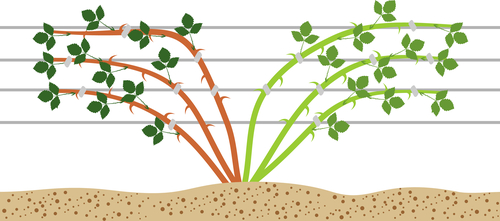
- Add the horizontal lines: Use heavy-duty wire for your cross-sections. Attach the first wire about 20 inches above the ground, then space out the following rows every 20 inches as you go up.
Building a Sturdy Wooden Trellis
For a more permanent, heavy-duty setup, try using wooden posts. To keep the wood from rotting, use galvanized ground anchors (post spikes) to keep the wood from sitting directly in the dirt. I highly recommend treating the posts with a weather-resistant stain or sealant first. Keeping the wood slightly elevated above the soil line will help your trellis last much longer.
Wall-Mounted Espalier Supports
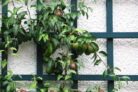
If you’re planning to grow your fruit trees against a house wall or a garden fence, you can attach your support system directly to the structure using heavy-duty screws or brackets. The way you arrange your wires will act as a blueprint for the tree’s future shape.
Mind the Gap
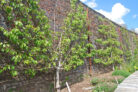
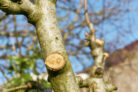
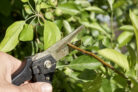
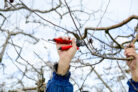
Don’t forget to leave some breathing room between the wall and the tree for air circulation. Stretch your wires tightly between the brackets. As the tree grows, you’ll tie the branches to this wire frame, forcing the canopy to grow in only two directions. This makes the tree take up no more room than a hedge! Just remember, to keep that sleek look, you’ll need to stay on top of pruning with a sharp pair of shears.
Quick Tip:
For a modern, industrial look, you can use a steel mesh panel (like the ones used for concrete reinforcement). Just anchor it a few inches away from the wall using wall plugs and eye bolts.