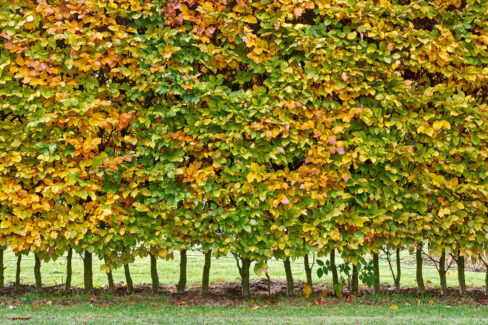
Whether you’re dreaming of a total backyard makeover or you’ve inherited an old beech hedge from a previous owner that just isn’t your style, sometimes the only option is to start with a clean slate. I won’t sugarcoat it: removing an established hedge is a big job, especially if those roots have had years to settle in. But don’t worry—I’ve got you covered. Here’s how to tackle the project and what you need to keep in mind.
Removing Your Beech Hedge: A Step-by-Step Guide
You really only need to go through the trouble of a full removal if you’re planning a new hedge or want to put other plants in that exact spot. If that’s the plan, I highly recommend grabbing a buddy to help. This process is time-consuming and can be a real workout!
Here’s your game plan:
- Cut the beech trees all the way down to the ground.
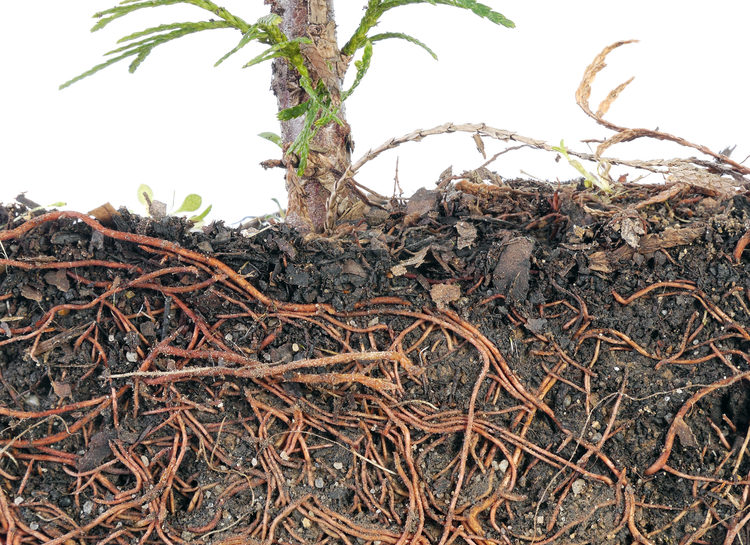
- Dig out the root balls.
- Make sure to pull out all the stumps.
- If any stumps have to stay in the ground, you’ll need to take steps to help them rot away.
When Do You Actually Need to Dig Up the Roots?
You only need to break your back digging up every single root if you want to plant something new in that same spot right away. New plants need room for their own root systems to stretch out and breathe.
However, if you’re planning to put in a walkway or build a stone wall, you can actually leave the roots in the dirt. Over time, they’ll decompose on their own.
Want to speed up the process? Grab a saw and make some deep notches in the root network, or drill some holes into the stumps. Fill those openings with some mature compost (the same kind you’d usually use to fertilize a hedge). This kickstarts the decaying process, and within a few years, the ground will be ready for new life.
The “Cover Up” Alternative
There’s another trick if you want to use the space without digging everything up. If you’re okay with the roots staying underground, you can simply fill the gaps between them with a mix of sand and soil. Use a lawn roller to pack it down until you have a nice, level surface.
This creates a solid foundation where you can build a dry stone wall or put up a fence. By covering and compacting the soil, you’re essentially cutting off the air and light, which ensures any remaining roots die off and won’t send up any pesky new shoots.