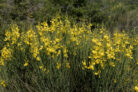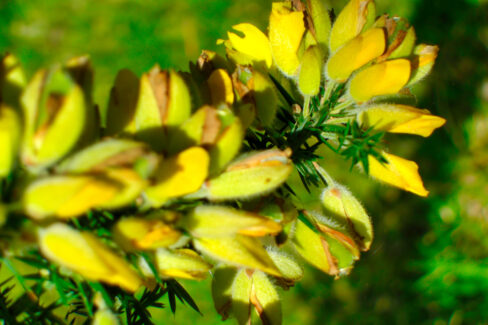
Broom (Ginster) is widely known as a low-maintenance guest that can brighten up any backyard in no time. But is this shrub really as tough and disease-resistant as everyone says? I’ve got the scoop for you right here.
Common Issues with Broom
In reality, broom is rarely bothered by pests or diseases. When something does go wrong, it’s usually down to “user error”—meaning the wrong spot in the garden or a bit of neglect in the care department. To keep yours happy, make sure you pick a bright, warm, and sunny spot.
Good drainage is also key. You’ll want to keep the soil nice and loose because “wet feet” (standing water) can lead to root rot, which is bad news for broom. That said, don’t forget to give young plants plenty of water right after planting. And while broom is generally hardy, those younger plants might need a little extra TLC during a particularly brutal winter.
How to Save a Struggling Plant
Come springtime, you might notice a few dried-out branches. This usually means overwintering was a bit of a struggle for the plant. As long as the roots haven’t rotted or completely frozen through, and the damage is just on the surface, you can get your broom back in tip-top shape pretty quickly. Just give it a good, hard prune until only the strong, healthy growth remains, and refresh the area with some new soil. While you’re at it, loosen the ground to make sure water can drain away easily.
If your broom isn’t growing well, simply moving it to a new spot won’t always fix the underlying issue. It’s often better to improve the conditions right where it is. If you do decide a transplant is necessary, be extremely careful with the sensitive root system. Make sure the new hole is plenty deep and wide, as broom develops taproots that need a lot of room to stretch out.
Broom Health: The Quick Rundown
- Broom is incredibly resilient and naturally resistant to most diseases.
- Most problems are caused by poor growing conditions, not pests.
- Always aim for a bright, warm location.
- Loose, well-draining soil is a must for a healthy plant.
- Winter can be tough on younger plants, so keep an eye on them.
- Simply prune away any frozen or dried-out branches in the spring.
- Moving the plant isn’t a magic fix; focus on better soil and care first.