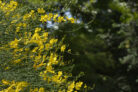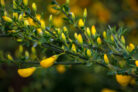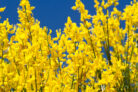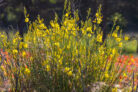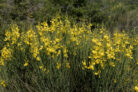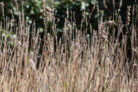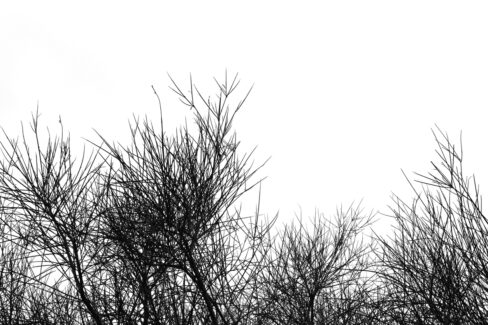
Broom (Cytisus) is a real garden MVP: it’s hardy, gorgeous, and incredibly low-maintenance. But even though it’s usually a “set it and forget it” kind of plant, you might occasionally notice it looking a bit parched or brittle. If your broom is starting to dry out, don’t panic! Here’s the lowdown on why it happens and how you can fix it.
Why is my broom drying out?
If you spot dry patches on your broom, it’s time to do a little detective work. Often, the trouble starts the very day it’s put in the ground. Broom plants have long, sensitive taproots that absolutely hate being messed with—if they get bent or snapped during planting, the plant will struggle. That’s why I always recommend buying potted broom and digging a hole that’s plenty big enough to give those roots room to breathe.
Timing is also everything. If you plant too late in the fall, the roots won’t have enough time to establish themselves before the first frost hits. Another common culprit? Overwatering. While a new plant needs a good drink to get started, “wet feet” can lead to root rot, which ironically makes the plant look dry above ground. Once established in the garden, you can pretty much put the watering can away, though potted broom will still need a light sip now and then.
How to save your plant
The secret to your plant’s health is all underground. If the roots are rotten or completely frozen through, it might be game over. However, if the damage is mostly on the branches, there’s still hope! Grab your shears and prune away any dead, brittle parts until you’re left with only healthy growth. If your soil is too rich, try mixing in some leaner, sandier soil to make it feel more at home. For those of you growing broom in containers, just make sure you’re watering consistently but moderately—never let it sit in a puddle.
Drying Broom: The Quick Checklist
- Most issues stem from mistakes made during the initial planting.
- Be extremely careful with the roots; never bend or damage them.
- Avoid planting too late in the season so the plant can settle in before winter.
- Even though most varieties are winter hardy, they can still show signs of drying out after a harsh winter.
- Once established in a garden bed, broom rarely needs extra watering.
- Don’t be afraid to prune off any dried-out sections.
- Always check the roots—they are the best indicator of the plant’s overall health.