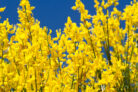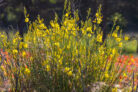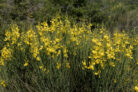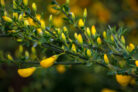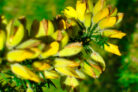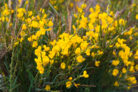
Broom (or Ginster, as it’s known in Europe) has a reputation for being a low-maintenance, hardy addition to the garden. Most people assume it can handle whatever winter throws its way, but that’s actually a bit of a misconception. To keep your plants happy, we need to look a little closer at the details. In this post, I’ll break down what you really need to know about winterizing your broom.
Understanding the Different Types of Broom
Broom is a pretty diverse genus with a ton of different species and varieties. To make things even more confusing, there are several other plants sold under the name “broom” that have completely different needs. Because of this, there’s no “one size fits all” rule for frost tolerance. Some types are tough as nails in the cold, while others will shrivel up at the first sign of a freeze. My best advice? Always double-check exactly which variety you’re planting before you head to the checkout.
A Quick Guide to Varieties
How well your broom survives the winter mostly comes down to its family tree. “True” broom species are native to places like Poland and Scandinavia, so they can handle a deep freeze without breaking a sweat. On the other hand, many “false” broom varieties hail from the Mediterranean, meaning our chilly winters can be a real shock to their system. Here’s a quick cheat sheet:
- Fully Hardy: True Broom (Genista)
- Fully Hardy: Gorse (Ulex europaeus)
- Moderately Hardy: Scotch Broom (Cytisus scoparius)
- Not Hardy: Spanish Broom (Spartium junceum)
Winter Care Tips for Your Garden
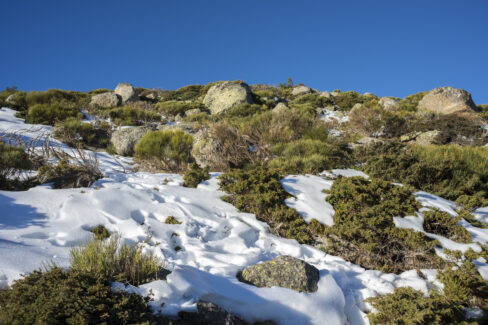
If you have one of the hardy varieties, they’ll usually breeze through winter without any extra help. The only exception is young plants—they aren’t quite as tough as the older ones yet, so you might want to give them some protection to help them overwinter safely. One pro tip: avoid pruning in late fall. Fresh cuts are much more sensitive to frost damage. Also, make sure you get your plants in the ground early enough in the season so the roots can get established before the ground freezes.
Moderately hardy plants, like Scotch Broom, can usually handle a mild winter if you give them a little mulch or cover. However, a long, brutal cold snap can still be a death sentence. Sometimes you’ll find nothing but a bare stem left in the spring, though with a bit of luck (and some patience), they might just bounce back.
For the non-hardy types, your best bet is to keep them in pots and move them into a cool greenhouse or a protected sunroom for the winter. Since plants like Spanish Broom are used to the Mediterranean sun, a typical North American winter is just way too much for them to handle outdoors.