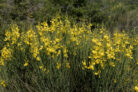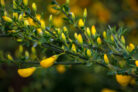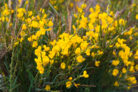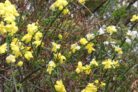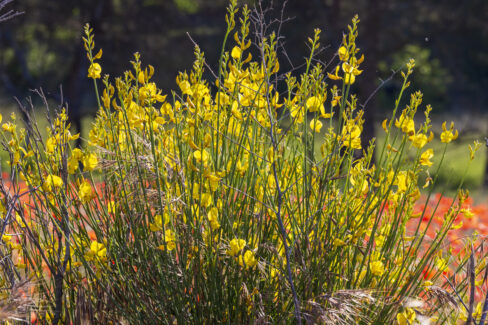
When most of us think of broom (or *Ginster*, as it’s known in Europe), those stunning, bright yellow blooms are the first thing that come to mind. Between that gorgeous color and how incredibly low-maintenance it is, it’s no wonder this shrub is a favorite for home gardens. Plus, getting it in the ground is a total breeze!
Finding the Perfect Spot
Broom isn’t very picky, which makes it a versatile guest for many different garden layouts. That said, you definitely want to pick a spot that’s warm and sunny. Don’t worry about it getting too much sun—broom can handle that intense midday heat without breaking a sweat. On the flip side, if you tuck it away in the shade, don’t expect much growth or a very impressive blooming season. In fact, picking the wrong spot is usually the main reason these plants deal with pests or diseases.
As for the soil, “lean” is actually better. You can plant broom in those sandy, dry spots where other plants usually struggle to survive. Just make sure the soil is nice and loose; broom hates “wet feet,” and standing water can quickly lead to root rot.
How to Plant Your Broom
I highly recommend buying your broom in a pot rather than bare-root. Their long taproots are a bit sensitive and can get damaged easily during transport. When you’re ready to dig, make sure the hole is deep enough to accommodate those long roots. You’ll want to plant it at least as deep as it was sitting in its nursery pot. If your soil is a bit heavy, mixing in some sand will help ensure great drainage.
You don’t need to worry about adding fertilizer when planting. Broom focuses its energy on flowers rather than lush foliage, so extra nutrients aren’t necessary. Give your new shrub a good soak right after planting to help it settle in. Once it’s established, you can pretty much put the watering can away—those deep taproots are excellent at finding water on their own!
Planting Broom: A Quick Summary
- Pick a prime location before you start digging.
- Make sure the spot is warm and gets plenty of sun.
- Lean, dry soil is perfectly fine, just keep it loose.
- Buying a potted plant is your best bet for success.
- Dig a hole deep enough for those long taproots.
- Plant it at the same depth it was in the pot.
- Give it a thorough watering right after planting.
- Skip the fertilizer—it’s not needed!