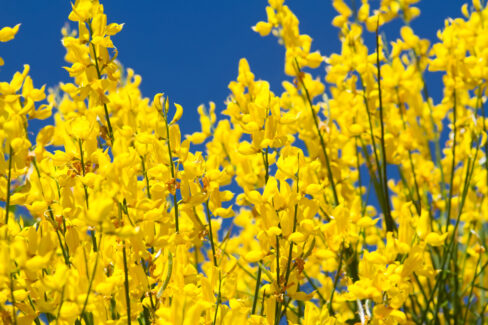
Broom (or *Ginster*, as it’s known in Europe) is a staple in many home gardens. Most of us immediately picture those iconic, bright yellow flowers that practically scream “look at me!” But if you’re planning your garden layout, you’re probably wondering: when exactly does this beauty bloom?
When Does Broom Bloom?
Pinning down a single blooming window is a bit tricky because there are so many different species out there—and honestly, some of them look almost identical. Generally speaking, you can expect to see flowers anytime between May and August. If you want to keep that floral show going as long as possible, my pro tip is to mix and match different varieties. It’s no extra work for you, since almost all types of broom share the same easy-going requirements for care and sunlight.
The Perfect Spot for Your Broom
If you want a massive explosion of color, location is everything. If you stick this plant in the shade, it’s going to be pretty unhappy and won’t grow much. Broom is a total sun-worshipper. Unlike some of its more sensitive garden neighbors, it actually loves the intense midday heat and handles it like a champ. By combining different varieties, you can create a sustainable, multi-colored landscape that looks great all season. Plus, growing broom in pots works like a charm! Just keep in mind that if you go the container route, you’ll need to give it a little extra love when it comes to winter protection.
A Rainbow of Blooms
When people hear “broom,” they usually think yellow—and for good reason! Most varieties do show off that brilliant, sunny hue. But this plant is actually a bit of a secret overachiever when it comes to color. Depending on the variety, you can find blooms in red, orange, white, or even pink. It’s one of the easiest ways to give your garden an instant glow-up.
Broom Blooming Season: The Quick Hits
- There are tons of different species to choose from.
- Most varieties bloom between May and August.
- Mix different types to extend the flowering season and add variety.
- All varieties have very similar care needs, making them easy to group together.
- This plant needs a sunny spot to really thrive.