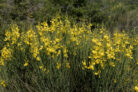
Broom (or *Genista*) is a total favorite in the gardening world for good reason. It’s hardy, gorgeous, and super low-maintenance. It’s no surprise that so many of us want more of it in our yards! If you’re looking to expand your collection, here is everything you need to know about propagating broom from cuttings.
Propagating via Cuttings
There are so many varieties of broom out there, blooming in a wild array of colors. If you’re looking to add a totally new pop of color to your landscape, your best bet is to head to the nursery for a new cultivar. But, if you already love the plant you have, propagating it through seeds or cuttings is a great way to get “free” plants.
How to Take Cuttings
I’ll be honest with you: growing broom from seed is usually much easier than using cuttings. Because of that, I recommend taking several cuttings at once to account for a few that might not make it. The roots on these young plants can sometimes be a bit finicky and weak at first. Make sure you’re only taking cuttings from the healthiest parts of the plant. Dried out or overly woody stems won’t work for this. Once the blooming season is over, snip off 6 to 8-inch sections and tuck them into a prepared mix of seed-starting soil and sand.
Giving Them the Right Care
The goal here is to encourage those little guys to develop a strong root system. To do that, you need to keep the soil consistently moist. Be careful, though—if the soil is soaking wet, the cuttings will rot, but if it dries out completely, they’re toast. Propagating broom definitely requires a bit of a “Goldilocks” touch! While most broom varieties are winter hardy, these young plants need extra protection from frost during their first winter. Keep a close eye on their water supply until they’ve developed those deep taproots to fend for themselves.
Broom Cuttings: Your Quick Checklist
- You can propagate via seeds or cuttings.
- Starting from seed is generally the easier route.
- Only take cuttings from strong, healthy shoots.
- Aim for cuttings between 6 and 8 inches long.
- Success requires a bit of patience and a watchful eye.
- Keep the soil moist, but never soggy or bone-dry.
- Protect young plants from frost during their first winter.