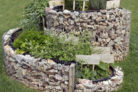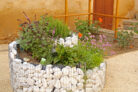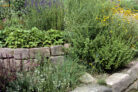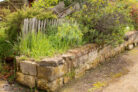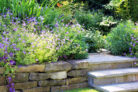
While farmers might see fieldstones as a nuisance that gets in the way of their plows, for us home gardeners, they’re absolute treasures. When placed right, they add a gorgeous, natural look to any landscape. Plus, stones are amazing at soaking up the sun’s heat during the day and releasing it at night—which is exactly why they’re the go-to choice for building a herb spiral. Just keep in mind, you’re going to need more than just a handful to get the job done!
Where can you find fieldstones?
Unless you live in a particularly rocky area, you probably won’t find enough stones for a full herb spiral just by wandering around your backyard. Your best bet is to check local online marketplaces or even chat with a local farmer—they’re often happy to get rid of them! Look for stones that are at least the size of an orange; anything smaller won’t be very stable, and anything too massive will be a pain to move. Speaking of moving them: don’t underestimate the weight. You’ll definitely want a sturdy vehicle or trailer for the haul!
What else will you need?
Fieldstones are the stars of the show, but you’ll need a few other supplies and tools to properly fill your herb spiral and get it ready for planting.
- Rubble, stone scraps, crushed stone, or gravel (for drainage)
- Sand
- Mature compost
- Garden soil or specialized herb soil
- A wooden stake, some string, and a marking stick
- Tape measure
- Spade, shovel, and a trusty wheelbarrow
Building your herb spiral step-by-step
A quick heads-up: don’t wait until the last minute to build your herb bed. You can’t plant it immediately because the soil needs at least two weeks to settle. While you wait, it’s a great time to plan out which herbs go where based on their sunlight and water needs.
- Mark out your footprint. The easiest way to do this is to hammer a stake into the center of your chosen spot. Tie a string to it, attach a stick to the other end, and draw a circle in the dirt. A diameter of about 6.5 feet (2 meters) is usually perfect.
- Dig out the top layer of soil about 12 inches deep. Clear out any weeds, grass, or roots from this soil and set it aside for later.
- Fill that hole with your coarse drainage material (gravel or rubble).
- Keep mounding that coarse material upward in the center until you have a hill about 20 inches high.
- Spread the soil you set aside earlier over this “mountain.”
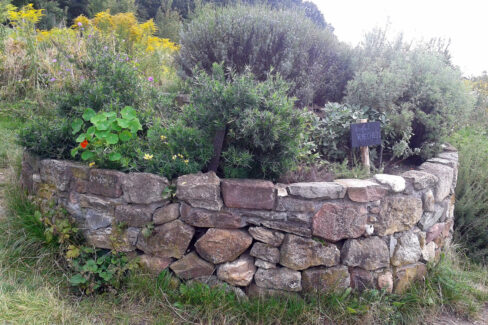
- Now for the fun part: arrange your stones in a spiral shape. The stone wall should stand about 10 to 12 inches high. Make sure the opening at the bottom faces south to catch the most sun.
- Time to fill it up! Fill the lowest zone with compost. The next section (the “moist zone”) gets a 50/50 mix of loamy soil and sifted compost. The middle (“temperate zone”) likes an equal mix of garden soil, sand, and compost. Finally, fill the very top of the spiral with a 50/50 mix of sand and lean, nutrient-poor soil.
Quick Tip:
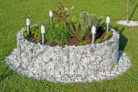
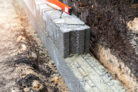
If hunting for fieldstones isn’t your thing, you can also build a herb spiral using retaining wall blocks. There are even ready-to-assemble kits available made of materials like galvanized metal if you prefer a more modern look!