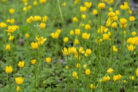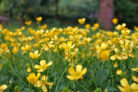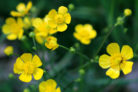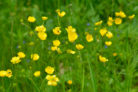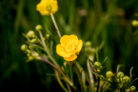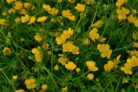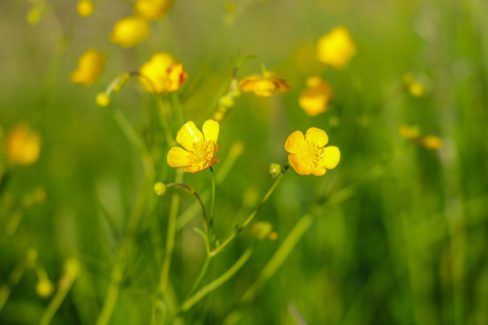
Ever wonder why we call Ranunculus “Buttercups”? It’s actually pretty simple—those bright yellow petals look just like a fresh pat of butter! But there’s a lot more to these cheery little flowers than just a cute name. Let’s dive into everything you need to know about the classic Buttercup.
Appearance & Features
- Typically 1/2 to 1 inch wide
- Perfectly symmetrical (radially symmetric)
- Usually five sepals (though you’ll occasionally spot four, six, or even nine)
- A signature waxy, glossy finish
Fun Facts & Growing Tips
Bloom Time
You’ll usually see Buttercups popping up from May all the way through October. The “Tall Buttercup” (Ranunculus acris) is the marathon runner of the family, staying in bloom much longer than other varieties, which often only show off their colors for about two months. Depending on which specific type you have in your yard, the timing of those first buds can vary quite a bit.
Reproduction
Buttercups are “perfect” flowers, meaning they are hermaphroditic and carry both male and female reproductive parts. Because they can self-pollinate, they are incredibly good at spreading. In fact, they’re a little *too* good at it for some folks! Many gardeners consider them a stubborn weed because they can take over a flower bed before you know it.
Seed Production
Once the flowers fade, they develop tiny, nut-like follicles (seed pods). If you want to keep them from colonizing your entire lawn, you’ll want to mow them down or deadhead them before they wither. Otherwise, the wind and local insects will do the work of spreading those seeds everywhere for you.
A Friend to Bees
The Buttercup is what we call a “nectar-secreting dish flower.” Its open shape makes it an easy-access snack bar for bees and other pollinators. One quick tip: try to avoid the “double-flowered” varieties you see at some garden centers. While they look fancy, they often don’t produce the nectar or pollen that our fuzzy pollinator friends actually need.
Safety First: They’re Toxic!
Even though the name sounds delicious, make sure the kids know that Buttercups are definitely not for eating. They don’t taste anything like butter, and more importantly, they’re actually poisonous. Ingesting them can cause some nasty reactions, so it’s always a good idea to keep a close eye on pets and little ones when these are blooming in the yard.