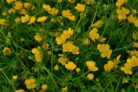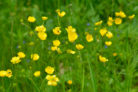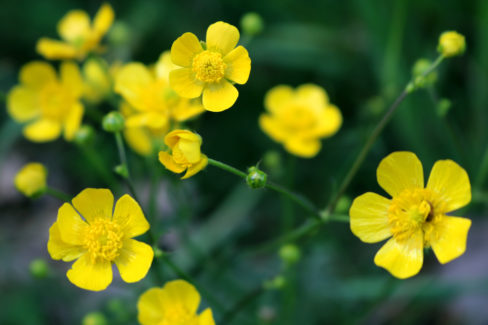
Some folks call it buttercup, while others stick to the more formal name, ranunculus. Then there are the gardeners who see those bright yellow blooms and immediately think “weed!” Love it or hate it, the buttercup is definitely a versatile little plant. But what exactly makes this flower tick? I’ve rounded up some of its most interesting traits so you can get to know this golden garden staple a bit better.
The Buttercup: A Plant with Unique Personality
One Flower, Many Names
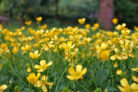
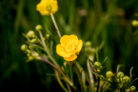
To a lot of people, the buttercup is just a pesky weed. But if you take a second to look, those delicate, golden-yellow petals are actually quite charming! The name “buttercup” comes from that rich color that looks just like a pat of fresh butter. As for the name “Ranunculus” (which translates to “little frog”), it refers to the plant’s love for damp areas. You can usually spot them by their distinct leaves, which are:
- Three-lobed
- Deeply divided or feathery
Pro Tip: The buttercup family is huge! The classic meadow buttercup we’re talking about here is just one of many varieties in the *Ranunculaceae* family.
Look, But Don’t Taste
Even though the name “buttercup” sounds delicious, don’t be fooled—these plants are actually toxic. It’s a bit of a downside, but definitely something every gardener and pet owner needs to know.
A Total Water Lover
You’ll often spot buttercups in meadows or floodplains because they absolutely thrive in damp soil. They love it slightly acidic and consistently moist. In fact, they can handle a good soaking better than most. Thanks to their incredibly hardy root systems, they can even tolerate standing water for a short while, which makes them pretty unique compared to other meadow wildflowers.
The Ultimate Self-Seeder
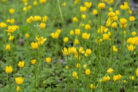
Buttercups are masters of multiplication. They spread their seeds far and wide, and they do it fast! If you don’t stay on top of them, insects and the wind will help those seeds travel until your entire garden is a sea of yellow.
Blooms That Just Won’t Quit
The “Tall Buttercup” (or *Ranunculus acris*) is probably the most famous member of the family. While many other varieties only show off their flowers for a couple of months, this hardy guy blooms from May all the way through October. It keeps producing new buds as soon as the old ones fade.
Pro Tip: Tall buttercups don’t just add a pop of color when other flowers are starting to wilt in the fall; they also provide a vital late-season nectar source for pollinators looking to fuel up for the winter.