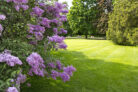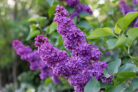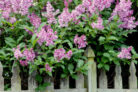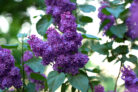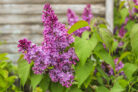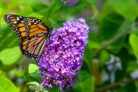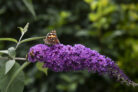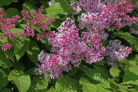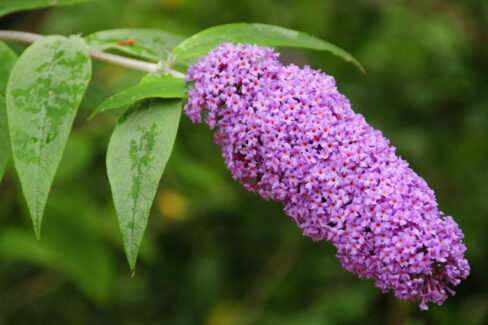
Butterfly Bush originally hails from the tropical and subtropical regions of Africa, Asia, and the Americas. However, it’s been making itself right at home in our neck of the woods for quite some time now. In the gardening world, we call it a “neophyte”—basically a newcomer that’s successfully carved out its own space in a new environment. This gorgeous summer shrub has become a real fan favorite, mostly because it acts like a magnet for butterflies looking for a snack. I’ve put together a handy profile below with everything you need to know about this garden staple.
Where It Grows and Common Varieties
You’ll spot Butterfly Bush just about everywhere—from backyard gardens and public parks to riverbanks, vacant lots, and even along railroad tracks. Because it’s so low-maintenance and hardy, it’s a go-to choice for home gardeners. Some of the taller varieties, like *Buddleja davidii* or *Buddleja alternifolia*, can tower up to 15 feet high and spread 10 feet wide, so they definitely need some elbow room to thrive. If you’re working with a smaller space, don’t worry! There are plenty of dwarf varieties that do perfectly well in containers on a patio or balcony.
The Quick Guide
With about 100 different species out there, here’s a quick breakdown of the most important traits of the Butterfly Bush.
- Botanical Name: Buddleja
- Common Names: Butterfly Bush, Summer Lilac
- Family: Scrophulariaceae (Figwort family)
- Genus: Buddleja
- Native Range: Asia, Africa, Americas
- Growth Habit: Shrub with gracefully arching branches
- Height: Up to 15 feet
- Width: Up to 10 feet
- Soil Preferences: Well-draining, moderately dry, enriched with compost; tolerates slightly acidic to alkaline pH
- Light Requirements: Sunny and warm; can handle partial shade, but Butterfly Bush won’t thrive in full shade
- Bloom Time: Depending on the variety, from July through September or October
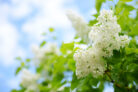
- Flowers: Long panicles (up to 12 inches) made of tiny individual blossoms
- Flower Colors: Purple, pink, white
- Foliage: Dull gray-green, narrow, lance-shaped leaves arranged oppositely; undersides are slightly fuzzy; deciduous
- Toxicity: Contains some toxins in the leaves and seeds; mildly poisonous
- Best Uses: Ornamental garden plant, public green spaces, focal point, or grouped as a hedge
- Hardiness: Varies by species
- Propagation: Self-seeds aggressively (you can prevent this by deadheading spent blooms); for specific varieties, it’s best to propagate via cuttings
- Special Features: Incredible for bees and a major draw for butterflies and moths; dwarf varieties are perfect for container gardening