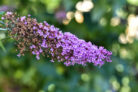
Whether it’s a Painted Lady, a Cabbage White, or a Small Tortoiseshell, you’ll find all sorts of beautiful butterflies flocking to the Butterfly Bush (Buddleia). It’s a garden favorite for a reason! But if you want those stunning, honey-scented flower spikes to keep coming back year after year, you can’t skip out on pruning.
How to Prune Your Butterfly Bush Like a Pro
If your shrub is sitting in a nice sunny spot, it’s generally a low-maintenance guest. The one “must-do” on its checklist is an annual haircut. Without it, the bush quickly turns into a tangled mess of woody branches with fewer and fewer flowers each season.
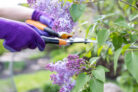
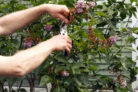
The secret to the Butterfly Bush is that it blooms on “new wood”—meaning the growth that happens in the current year. By giving it a good prune in late winter or early spring, you’re basically giving it a shot of espresso to jumpstart flower production. Aim for a frost-free day in late February. You want to avoid freezing temps so the brittle wood doesn’t splinter when you snip. Pruning early gives the plant plenty of time to wake up those “sleeping” buds and get growing. Here’s your checklist:
- Trim side branches on the main limbs back to about two to four buds.
- Shorten long structural branches by about a third, cutting just above an outward-facing bud.
- Remove any branches growing inward or crossing through the center.
- Cut dead or winter-damaged wood back as far as possible.
Once your bush is about four years old, it’s time to start renewing the main structure. You’ll want to remove old main branches back to the “branch collar”—that slightly swollen ring where the branch meets the trunk. Cut at a slight angle away from the trunk, being careful not to nick the collar itself. This helps the plant heal faster. A younger, vigorous shoot will eventually step up to take its place as a main leader.
Also, keep an eye out for “suckers”—wild shoots growing from the base or the rootstock. Snip those off right at the trunk to keep the plant’s energy focused where it belongs.
Deadheading for Better Blooms
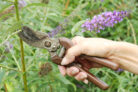
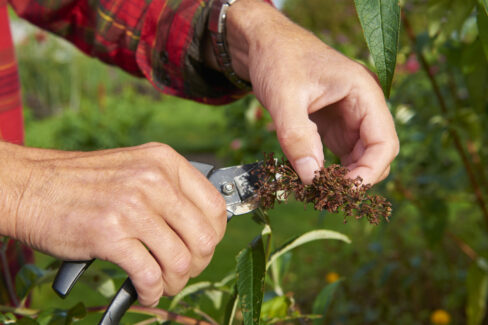
As soon as those long flower panicles start to fade and turn brown, it’s time to deadhead. Snip them off just above a strong bud or a pair of leaves. If you skip this, the plant will spend its energy making seed pods instead of more flowers. Plus, those pods hold thousands of tiny seeds that the wind loves to scatter. Unless you want a forest of mini Butterfly Bushes popping up all over your yard next year, keep those shears handy!
Pro tip: Those seeds are tough and frost-resistant. It’s best to toss the spent blooms in the trash rather than the compost pile, where they might accidentally get spread back into your garden by the wind or critters.
Common Pruning Mistakes to Avoid
Don’t be shy! To get those long, dramatic flower spikes, the Butterfly Bush actually needs a pretty heavy pruning. If you only give it a light trim, you’ll end up with weak, spindly growth and tiny flowers. To keep a nice, natural shape, try cutting the side branches slightly shorter than the ones in the center.
Don’t forget to thin it out, too. Every time you cut a branch, two new ones usually grow back in its place. That means the number of branches can double every year! To prevent the center from becoming a crowded thicket where light can’t reach, go ahead and remove a few of last year’s shoots entirely at the base. A bush that can “breathe” is a happy, blooming bush.