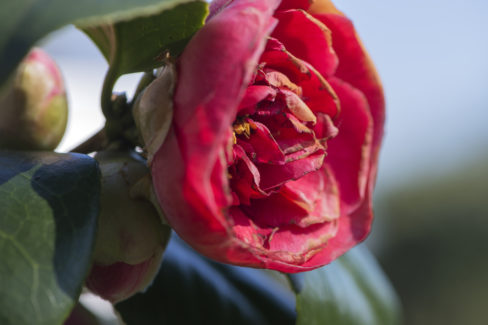
Is your camellia looking a little under the weather? Don’t panic! The first step to getting your plant back on track is figuring out exactly what’s going wrong. *Camellia japonica* is a stunning addition to any garden, but it can be a bit finicky and prone to a few specific issues.
I’ve put together a quick guide to help you identify common symptoms and, more importantly, how to fix them so your camellia can get back to its beautiful self.
Common Pests
Thrips (Thysanoptera)
These tiny critters are almost impossible to see with the naked eye, but they definitely leave their mark. Keep an eye out for:
- A silvery or grayish coating on the leaves, buds, or new shoots.
- Sometimes these spots can look brown or black.
What you’re actually seeing is the residue and offspring of the thrips.
The Fix: A simple spray of soapy water usually does the trick. If your camellia is currently indoors, try moving it outside for a few days—thrips much prefer the cozy, still air of a house over the great outdoors.
Scale Insects (Coccoidea)
If your camellia leaves feel sticky or look like they’re covered in “honeydew,” you’re likely dealing with scale. These flat-bodied insects latch onto the leaves and suck out the sap.
The Fix: If you catch them early, you can just pick them off by hand. For a larger infestation, you’ll want to use an organic insecticidal soap or neem oil to get things under control.
Black Vine Weevil (Otiorhynchus)
These guys are a double threat. The larvae live in the soil and munch on the roots, while the adult beetles come out at night to snack on the edges of the leaves.
The Fix: These weevils are big fans of the dark. Try moving your *Camellia japonica* to a brighter, well-lit spot to discourage them from hanging around.
Fungal Issues
Camellia Flower Blight (Sclerotinia camelliae)
This fungus originally came from Asia, and fortunately, it’s the only major fungus that specifically targets camellias. It’s heartbreaking to see beautiful blooms start to rot from the inside out, but it’s manageable.
The Fix: Since this blight doesn’t spread through airborne spores like other fungi, you can stop it in its tracks just by pruning off and disposing of the affected flowers.
Common Care Mistakes
Sometimes, it’s not a bug or a fungus—it’s just stress! If a camellia isn’t getting the right care, its “immune system” weakens, making it a target for other problems. Here’s what to watch for:
Watering Habits
Camellias take a while to get settled into their environment. If your watering schedule is all over the place, the plant gets stressed and will start dropping its leaves. This is especially common for outdoor plants during seasons with unpredictable weather.
Pro Tip: Don’t freak out if an older plant loses a few leaves! It’s totally normal for a camellia to naturally shed its foliage every two to three years.
Standing Water
Like most garden favorites, camellias hate “wet feet.” If the soil doesn’t drain well or the humidity is way too high, the roots can start to rot. Make sure your pot has good drainage holes and your soil is nice and loamy!