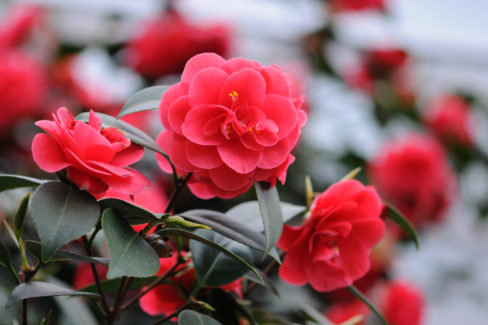
To get those stunning, show-stopping camellia blooms we all love, your plants need to be in tip-top shape. That usually comes down to the right location and a solid care routine. However, sometimes nature throws a curveball in the form of pests or diseases that can leave your camellia leaves looking black and burnt.
The Culprits
Generally speaking, there are two main reasons your camellia leaves are turning black. In both cases, a fungus is the star of the show:
- Black Spot (Marssonina rosae/Diplocarpon rosae)
- Sooty Mold
Black Spot
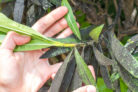
Black spot is a gardener’s nightmare. Because it shows up as dark, unsightly blotches, the name of the fungus and the disease are often used interchangeably. Your camellia usually catches this via spores that have overwintered in the soil. When you water the plant or when it rains, those spores splash up onto the lower leaves and start to spread.
What to Look For
- Early stages: Round, brownish-black spots
- The spots spread outward in a star-like pattern
- Eventually, the spots merge together
Depending on how sensitive your specific variety is:
- The leaves might turn yellow with black spots, or
- They might turn completely black.
When this happens, the camellia will start dropping its leaves. This leaf loss really wears the plant out, which means:
- It will hardly produce any flowers,
- New shoots won’t mature properly, and/or
- The plant becomes much more sensitive to frost.
How to Fight Back
This fungus is a tough one to beat, so you’ll need to be aggressive:
- Treat the camellia with an appropriate fungicidal spray.
- Prune away all infected leaves and stems generously. Make sure to toss them in the trash—not the compost pile!
Prevention Tips
Since black spot is so stubborn, prevention is your best friend:
- Always water your camellia at the base (the roots) to keep the foliage dry.
- Consider spraying the plant with horsetail tea starting in May to strengthen the leaf surface.
Most importantly, keep your camellia happy with proper nutrients and light. A healthy plant is always more resilient against disease!
Sooty Mold
Compared to black spot, sooty mold is actually pretty harmless. While it covers the leaves in a dark, soot-like coating, it doesn’t actually “infect” or penetrate the leaf tissue itself. The reason it appears is because of “honeydew”—a sticky, sugary substance excreted by aphids and scale insects. The fungus feeds on this sugar.
What to Do
- Simply wipe the black fungal coating off the leaves with a damp cloth.
- Focus your energy on getting rid of the aphids or scale, as they are the real pests causing the problem.