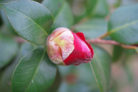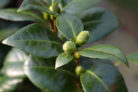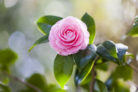
Droopy or curled leaves, yellowing foliage, and flower buds that turn brown or drop off—if your camellia is showing these signs, it’s crying out for a drink. While the core issue is a lack of water, the *reason* behind that thirst can actually be a few different things.
Thirsty even after watering?
If you have a potted camellia and you’re watering it according to its needs, the roots should be able to keep the plant happy and hydrated. On the flip side, if that water supply gets interrupted or just isn’t enough, your camellia is going to start drying out.
The most obvious reason is simply not giving it enough water:
- You’re waiting too long between waterings, and the soil is completely drying out.
- You’re not giving it enough volume when you do water, so the moisture never actually reaches the deeper roots.
But here’s the kicker: you can actually dry out a plant by giving it *too much* water. If your camellia gets “wet feet,” here’s what happens:
- The soil stays completely waterlogged.
- The roots start to rot because they can’t breathe.
- Once the roots rot, they can no longer transport water to the rest of the plant.
- Paradoxically, your camellia dies of thirst because its roots have failed.
Winter dehydration and frost issues
Potted Camellias
Since potted camellias aren’t fully hardy, they need some extra TLC if they’re spending the winter outdoors. If the cold and frost seep through the sides and bottom of the pot, the root ball can freeze solid. When this happens, the roots can die off, leaving the plant unable to take up any water.
Another common mistake? Forgetting the watering can in the winter. Even if your camellia is bundled up nicely on the balcony or patio, it still needs moisture. Unlike plants in the ground, potted camellias can’t pull water from the earth, so they rely entirely on you. Make sure to give them a drink every now and then on frost-free days.
Camellias in the Garden
Just like their potted cousins, camellias planted in the ground can suffer from winter dehydration, often called “frost drought.” This happens when the ground freezes solid, locking up the water so the roots can’t get to it.
Even though the roots are frozen, the leaves continue to lose moisture through evaporation. To protect itself and reduce that moisture loss, the plant will curl its leaves or even drop them entirely. Think of it as a natural defense mechanism against frost. The good news? If this happens, your camellia will often bounce back and sprout fresh new growth once spring arrives!