Unlike many other blossoms that fill the air with sweet perfumes, the flowers of the Carob tree are… well, a bit of an acquired taste. While they won’t win any awards for their scent, they are absolutely essential if you want the tree to produce its famous fruit. Let’s dive into everything you need to know about the look and feel of Carob blossoms.
Typical Characteristics of the Carob Flower
While the fruit of the Carob tree is known for its naturally sweet flavor (perfect for healthy treats!), the flowers offer a bit of a surprise: they have a pretty unpleasant smell. Don’t let that scare you off, though! If you’re growing your tree outdoors, it’s usually not a big deal. The flowers are relatively small and subtle, so they won’t overwhelm your garden.
Appearance and Development
- Type: Papilionaceous (pea-like) flower
- Bloom Time: May through the fall
- Growth Pattern: Clusters form directly on the branches
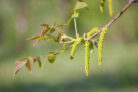
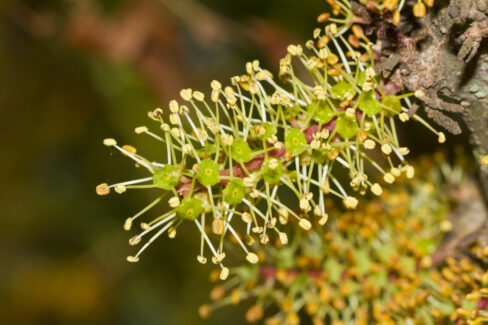
- Shape: Grape-like clusters (racemes) about 6 inches long
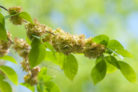
Patience is key with these trees. You won’t see any blooms until the tree reaches a certain maturity—usually around six years old. When they do arrive, you’ll notice something cool: the flowers can sprout directly from the trunk or the older branches. Most of the time, the stems are a vibrant red, while the tiny blossoms themselves range from green and yellowish-green to a reddish-orange hue.
That “Unique” Scent of the Male Flowers
Carob trees are typically dioecious, meaning there are separate male and female plants. It’s specifically the male flowers that carry that pungent odor. However, because the tree doesn’t usually explode into a massive cloud of blossoms all at once, the scent tends to dissipate quickly in the breeze.
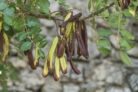
The magic happens after pollination—the fruit develops right on those flower clusters, eventually housing the seeds. This is why getting your tree to bloom is such a win for any gardener! To help your Carob tree thrive and flower, make sure you’ve got it in the right spot. These trees hate “wet feet,” so keep the watering in check. If you nail the drainage, you’ll be rewarded with plenty of blooms and, eventually, those sweet pods.