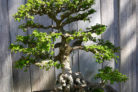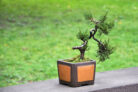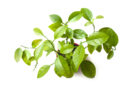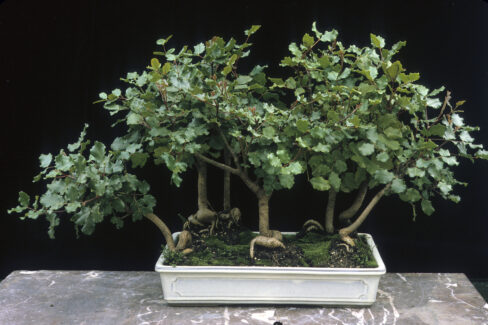
The carob tree isn’t just a Mediterranean giant for the backyard; it actually makes a stunning bonsai! If you’re looking for a unique addition to your indoor garden, this plant is a fantastic choice. Here’s everything you need to know about keeping your carob bonsai happy, healthy, and looking its best.
Finding the Perfect Spot
Whether you’ve just bought a carob tree or are training one into a bonsai yourself, getting the environment right is key. Since these beauties are native to the Mediterranean, they aren’t big fans of the cold. You’ll want to find a spot that mimics that warm, coastal vibe.
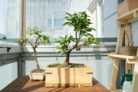
Sunlight is your best friend here. Place your bonsai near a large, bright window or anywhere it can soak up plenty of rays. When it comes to watering, think “steady but cautious.” You want to water regularly, but definitely avoid drowning the roots. A specialized bonsai pressure sprayer or a ball irrigator is perfect for giving it exactly what it needs without overdoing it. While you probably won’t see those long seed pods or many flowers on a bonsai version, you’ll be rewarded with a gorgeous, architectural canopy that you can shape however you like.
Caring for Your Carob Bonsai
Just like any other bonsai, you’ll start by using wire to guide the branches into the shape you want. To keep that classic look and prevent it from outgrowing its space, regular pruning is a must. I recommend doing a heavy prune in the spring to set the stage for the growing season. Eventually, your tree will outgrow its pot, and that’s when it’s time to repot.
Pro-Tips for Repotting:
- Since carob trees grow at a moderate pace, you’ll only need to repot every two to three years.
- Always use fresh, well-draining bonsai soil to keep the roots breathing.
- Be gentle! Try not to damage the main structural roots during the move.
To keep your tree vibrant, you’ll want to feed it from spring through late summer. From March until late autumn, a dose of liquid fertilizer once a week works wonders. You can find specialized bonsai food at most garden centers. Just remember to give the fertilizer a rest during the winter months when the tree is chilling out.