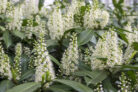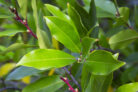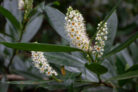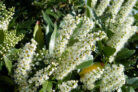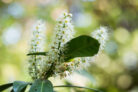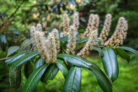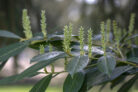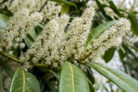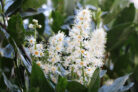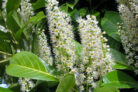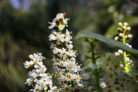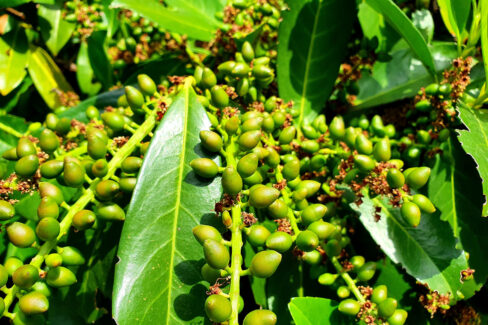
After the blooming season, cherry laurel starts producing its signature berries. If you’ve ever wondered what these little fruits are all about or how to handle them, you’re in the right place! Sometimes, it’s actually better to snip off the flowers before the berries even have a chance to show up. Here’s the lowdown on what you need to know.
What’s the Deal with Cherry Laurel Berries?
First things first: safety. Most parts of the cherry laurel are toxic. Eating the raw berries can lead to a nasty stomachache and nausea because they contain compounds that just don’t sit well with humans. Interestingly, though, heat breaks down those toxins. Believe it or not, some folks actually cook them down into jams! Once they’re processed correctly, the toxicity disappears, but I’d still recommend being extra careful.
The berries develop right after the flowers fade. They look like tiny, round grapes, starting out red and turning a deep, dark purple (almost black) when they’re ripe. Many gardeners prefer to keep their yards berry-free, especially if there are little kids running around who might be tempted to try a “wild snack.” To prevent the berries from forming, simply prune the flower spikes as soon as they start to wither in late May.
Cutting back the spent blooms is a great trick for keeping a berry-free hedge. Plus, you still get to enjoy that amazing honey-like fragrance while the flowers are in bloom! Pruning away the old flowers actually tells the plant to put its energy back into growth. If you’re lucky and give it a good trim, your cherry laurel might even surprise you with a second round of blooms in the late fall.
Keeping Your Cherry Laurel Happy and Healthy
If you put your cherry laurel in the right spot and give it some TLC, you’ll be rewarded with lush leaves and plenty of flowers. This means staying on top of watering and making sure the soil has enough nutrients. A good structural prune also helps the plant grow naturally and supports flower production. Keep in mind that different varieties bloom at different rates—some are heavy bloomers, while others are much more low-key with their berry production.
To keep your plant thriving, focus on:
- Loose, well-drained soil
- Consistent moisture (regular watering, but don’t drown it!)
- Plenty of nutrients/fertilizer
If your cherry laurel isn’t blooming at all, it’s worth doing a little detective work to find out why. Whether you’re looking forward to the berries or just want a beautiful, bushy hedge, proper nutrition is key. It doesn’t just help with fruiting; it ensures the entire plant stays strong and vibrant all year long.