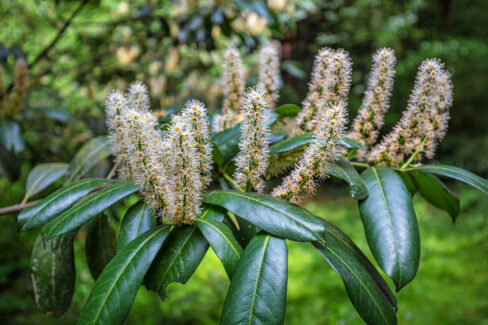
Cherry laurels are generally tough-as-nails and super easy to care for. However, even these hardy shrubs have a few enemies—specifically, certain fungi that can move in and really weaken them. If your laurel is looking a little under the weather, don’t worry! Here’s how to spot the signs of a fungal infection and treat it so your plants can get back to their healthy, vibrant selves.
How to Spot Shot Hole Disease
The fungus *Stigmina carpophilum* is the culprit behind what we call “shot hole disease” on cherry laurels. You’ll know it when you see it: small, raised bumps and discolorations start appearing on the leaves. As the fungus takes hold, the tissue in those spots dies and eventually falls out, leaving perfectly circular holes behind. It literally looks like someone took a shotgun to your shrub! If you see this, it’s time to jump into action.
Grab your shears and prune away any infected leaves and branches. If you can remove all the affected areas, you can usually stop the fungus in its tracks. Just a heads-up: make sure to burn the clippings or toss them in a sealed trash bag. Whatever you do, don’t put them in your compost pile! If you do, the fungus can survive and hitch a ride back into your garden the next time you fertilize, starting the whole cycle over again.
Identifying and Treating Mildew
Another common uninvited guest is *Monilia laxa*. This fungus creates a thin, white, powdery coating on the leaves, which is why most gardeners simply call it mildew. Just like with shot hole disease, your first move should be pruning back the affected parts of the plant. If the mildew has already started to spread, you can fight back by spraying the leaves with a simple DIY solution for a few days.
Try spraying the leaves with one of these:
- A mixture of water and apple cider vinegar
- Diluted milk
Typically, these fungi thrive during those chilly, damp times of the year because they love constant moisture. Once a fungus really settles in, even a dry spell won’t be enough to kill it off. That’s why it’s so important to act fast the moment you notice something is off with your plants!