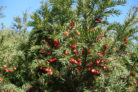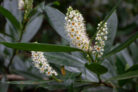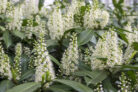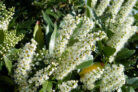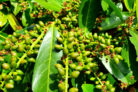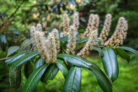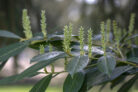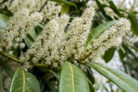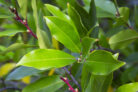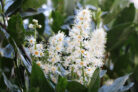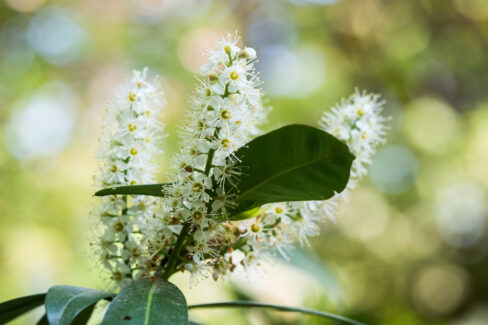
Every part of the cherry laurel is technically toxic, which leads a lot of gardeners to wonder: “Can I actually put this stuff in my compost pile?” The short answer is yes! You can absolutely compost cherry laurel branches and leaves, but there are a few tips and tricks you should know to do it right.
Setting Up Your Compost Pile
If you chop up your cherry laurel trimmings properly, they’ll break down into rich humus in about a year. This gives you amazing homemade fertilizer for the rest of your garden. The key is getting the mix right. Ideally, you want a good balance of “browns” and “greens”—or in this case, coarse and fine materials. Thicker branches take longer to decompose than thin leaves. Also, keep an eye on moisture; if the pile gets too dry, give it a quick sprinkle with the hose. And don’t forget to turn it occasionally to let it breathe, otherwise, things can get a bit smelly and swampy!
To speed things up, I highly recommend shredding or chipping the trimmings before adding them to the pile. While you’re shredding cherry laurel, you might notice a distinct scent of bitter almonds—that’s a sign of the plant’s natural compounds. Definitely wear a good pair of gardening gloves while handling it. This keeps the toxins off your skin and prevents any potential allergic reactions or irritation.
If you want to fast-track the process, try these:
- Compost starters (accelerators)
- Mineral additives like rock dust
- Garden lime
What Happens to the Toxins?
Here’s the cool part: the microorganisms that break down your garden waste aren’t bothered by the plant’s toxicity at all. They actually neutralize those compounds during the decomposition process. By the time the laurel has turned into dark, crumbly humus, the toxins are gone. That means you can safely use that compost even in your vegetable beds! As long as you give the pile enough time to do its thing and ensure proper decomposition, cherry laurel is a fantastic addition to your garden’s nutrient cycle.