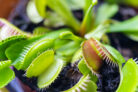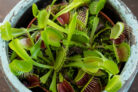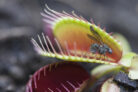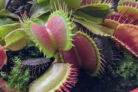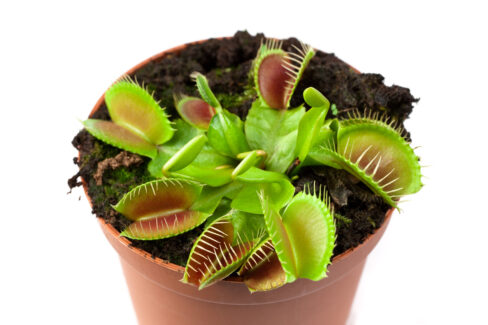
You’ll often see carnivorous plants popping up at big-box garden centers and local nurseries. Prices can range from a few bucks for a tiny starter to a pretty penny for a specimen plant. Usually, that price tag is your first clue about the plant’s quality and how long it’s likely to survive in your home.
Mass Production for the Market
Garden centers love to market carnivorous plants as the ultimate mosquito and fly traps. While they do snack on bugs, that’s only one part of the equation. These plants are actually a pretty demanding group, and hobby gardeners usually need a bit of a learning curve to keep them happy.
Those “budget” plants you find for five dollars often have a short shelf life. They aren’t typically the heartiest specimens, and they are rarely potted in the right kind of soil. However, they aren’t a bad way to dip your toes into the world of carnivores—if they don’t make it, at least you aren’t out much money.
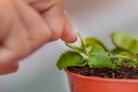
If you do buy a budget plant, my advice is to repot it immediately. Only use specialized carnivorous plant soil (standard potting mix will kill them!). When repotting, try to gently remove as much of the old substrate as possible; this also gives you a chance to check the health of the roots. Keep the soil just moderately moist at first to encourage those roots to settle in and grow.
Buying from Specialty Growers
If you’re getting serious about growing carnivorous plants, you’re much better off investing in higher-priced plants from specialty nurseries or plant shows. These are generally much higher quality, and in many cases, the plants are already several years old.
These professionally bred carnivorous plants are significantly more robust because they haven’t been “forced” to grow too quickly for mass retail. They’ve had years to develop a solid root system. This is crucial because, contrary to popular belief, these plants don’t get all their nutrients from bugs—they still rely on their roots to pull what they need from the ground.
Growing Under Glass
Carnivorous plants are picky about their soil and where they sit. If you just bought a new one, make sure to acclimate it to the sun slowly so you don’t fry the leaves. Plus, these plants crave high humidity year-round. That can be a real challenge indoors, as a quick misting with a spray bottle usually isn’t enough for most species.
That’s why many enthusiasts choose to grow carnivorous plants in glass containers. These can be anything from semi-open bowls to nearly closed terrariums. Serious collectors even set up dedicated climate-controlled terrariums. The big advantage of growing under glass is that it traps humidity after misting, creating a little tropical microclimate that keeps your plants thriving.