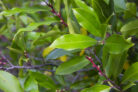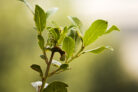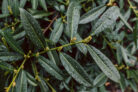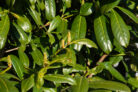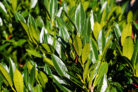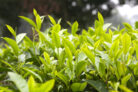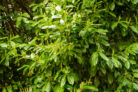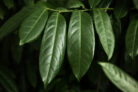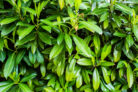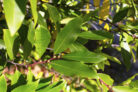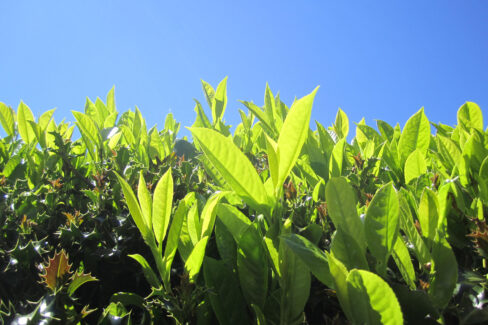
While those deep, glossy green leaves are the hallmark of a classic cherry laurel, not every variety starts out that way. Some types actually show off different colors on their new growth. Take the ‘Rotundifolia,’ for example—it sprouts bright lime-green shoots that only darken as they mature. However, if your once-dark leaves are starting to fade to a pale green, it’s time to do a little detective work.
What Pale Green Leaves Are Trying to Tell You
Think of a plant’s leaves as a health monitor. If you notice those signature dark green leaves losing their luster and turning pale, it’s usually a sign that your laurel isn’t getting the nutrients it needs. Typically, light green leaves mean the cherry laurel is craving iron, magnesium, or manganese. Sometimes the nutrients are actually present in the dirt, but certain conditions are “locking” them away, preventing the roots from soaking them up.
Here are the usual suspects:
- Soil that is bone-dry or completely waterlogged
- Compacted soil that’s too “tight”
- A lack of oxygen reaching the roots
- Long periods of deep frost during the winter
You’ll usually spot the discoloration on the young shoots first. If there’s a serious underlying issue, it will slowly spread across the entire plant until the whole hedge looks washed out. If you see this happening, don’t ignore it—it’s your plant’s way of asking for help!
How to Get Your Laurel Back to Green
To fix the color, you’ve got to fix the environment. Start by grabbing a spade and carefully loosening the soil around the base of the plant (just be sure to give the main trunk a little space). This helps get much-needed air down to the roots. If your soil feels like heavy clay or is super dense, mixing in some sand or loam can really help improve the structure, making it easier for the roots to drink up those nutrients.
You can also give the soil a boost by mixing in some horn shavings or well-aged compost. If you’re dealing with a large hedge, spreading a layer of bark mulch underneath is a game-changer. Mulch is great for retaining moisture and keeping the soil from getting packed down. Plus, if you use a slow-release fertilizer, the mulch acts like a reservoir, holding onto those nutrients so your cherry laurel stays fed and happy for the long haul.