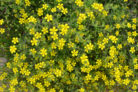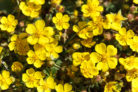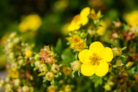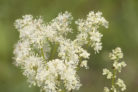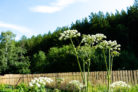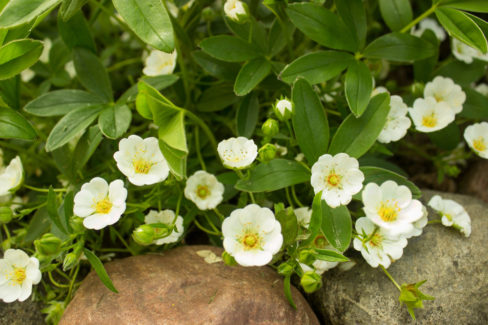
With over 500 different species, Cinquefoil (also known as *Potentilla*) is a super common sight. In fact, it’s so successful that some gardeners get a little frustrated with how quickly it spreads when it’s happy! But if you find that “just right” spot for this lovely perennial, you can easily keep it in check with a bit of pruning and regular thinning.
All About Cinquefoil
You’ll find Cinquefoil all over the Northern Hemisphere. In the wild, its cheerful yellow blooms pop up on hillsides and rocky slopes—it’s even been spotted growing at altitudes of 16,000 feet! The varieties we grow in our gardens and parks are just as tough and winter-hardy, but they offer a wider color palette, including white, orange, and pink.
Here are a few ways you can use Cinquefoil in your landscape:
- As a mid-sized flowering shrub (ranging from 15 to 60 inches)
- As a low-growing groundcover (staying around 4 to 6 inches tall)
- As a charming low hedge
- To help stabilize slopes and embankments
- As a border for garden beds or walkways
- As a “filler” plant to tuck in around roses or taller perennials
The Perfect Spot for Cinquefoil
Cinquefoil is a survivor and can handle some pretty extreme conditions, but in a garden setting, it really thrives in full sun to partial shade. The real secret to success is well-draining soil. Here’s what it’s looking for:
- Fresh soil with moderate moisture
- A loose, airy soil structure
- A mix of sand and loam
- A pH level below 8
- Low lime content
- Absolutely no standing water
The “no standing water” rule is a big one. Cinquefoil roots will rot in a heartbeat if they’re sitting in soggy soil, and the plant won’t make it. If your soil is a bit heavy, try mixing in some gravel to improve drainage. When planting, it’s also a great idea to add a layer of broken pottery or drainage stones at the bottom of the hole.
Growing in Containers
If you don’t have much yard space, you’ll be happy to know that Cinquefoil does great in pots on a patio or deck. Just make sure to choose a relatively large container, because this plant likes to spread its wings! Drainage is key here, too—ensure your pot has plenty of holes so rainwater can flow through freely. It’s actually best to skip the saucers or decorative outer pots, as these tend to trap water and lead to that dreaded root rot.