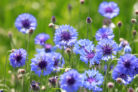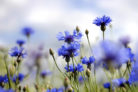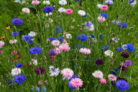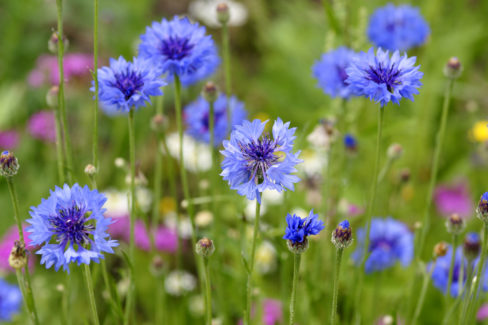
That deep, electric blue of the cornflower has inspired poets and painters for centuries. If you’re thinking about adding them to your garden, it’s usually because of those stunning, unique blooms. But to get a real explosion of color, you’ve got to make sure they have the right setup.
Where Do Cornflowers Come From?
As the name suggests, cornflowers (also known as Bachelor’s Buttons) were originally found growing wild along the edges of grain fields. Back in the day, these field margins were full of shrubs and wild grasses. Nowadays, modern farming with heavy machinery, intensive fertilizing, and pesticides has made those classic wildflower borders a rare sight. Because of this, the cornflower has lost much of its natural habitat in the wild.
The Sunnier, the Better
One thing that hasn’t changed is the cornflower’s love for a good daily dose of sunshine. While you can technically sow cornflower seeds in partial shade, you’ll usually find they produce way fewer buds there. To get the best results, pick the sunniest spot in your yard. When it comes to nutrients, cornflowers are actually pretty low-maintenance—they actually prefer “lean” or poor soil over rich, fertilized ground. The most important thing is drainage. Cornflowers hate having “wet feet,” and standing water can quickly lead to root rot, which can kill the whole plant. If your soil is heavy or clay-like, try mixing in some sand to loosen it up and improve drainage.
A Win for Your Local Pollinators
Even though cornflowers originally hailed from the Mediterranean, they traveled with explorers long ago and have been a staple in temperate gardens since the Middle Ages. They’ve been around so long they’re basically considered a native species in many areas. Because they’ve co-evolved with local wildlife, they are a fantastic food source for struggling pollinator populations. During their blooming season, you’ll notice your garden buzzing with life. Some of the frequent visitors include:
- Honeybees and wild bees
- Bumblebees
- Butterflies