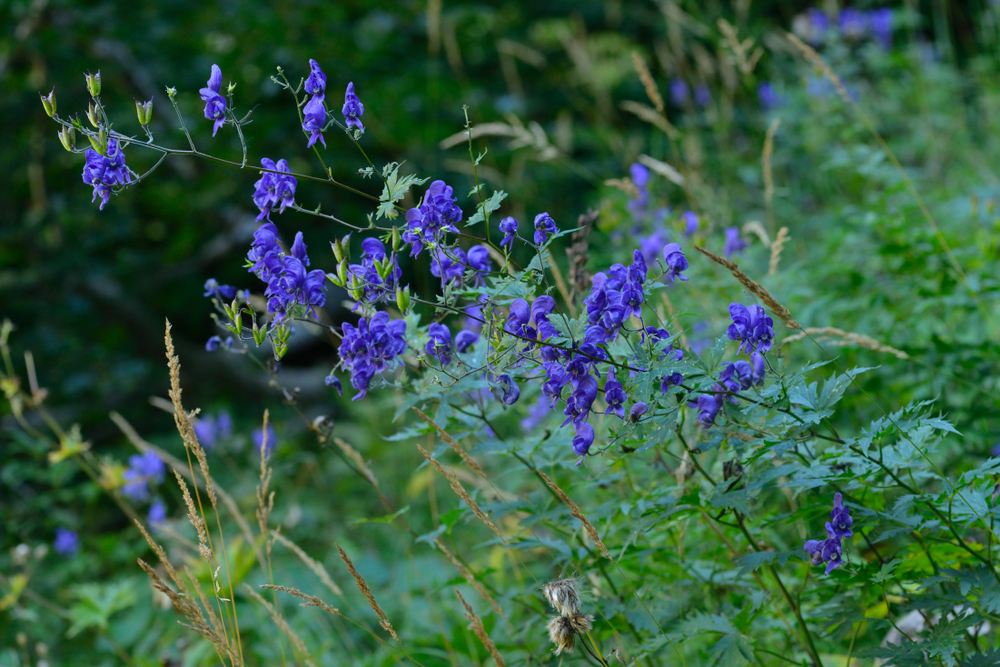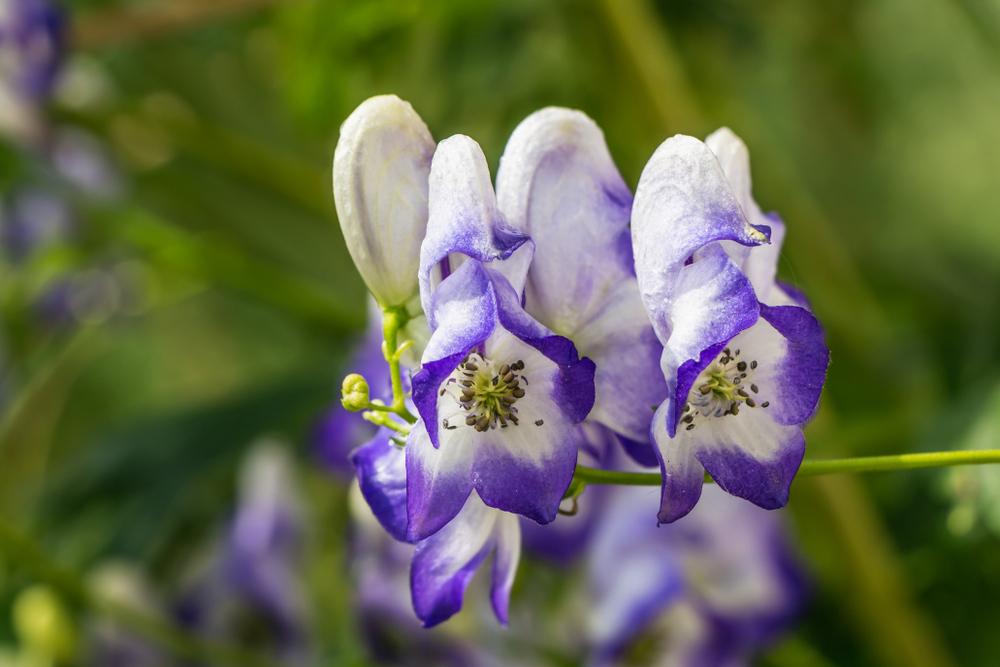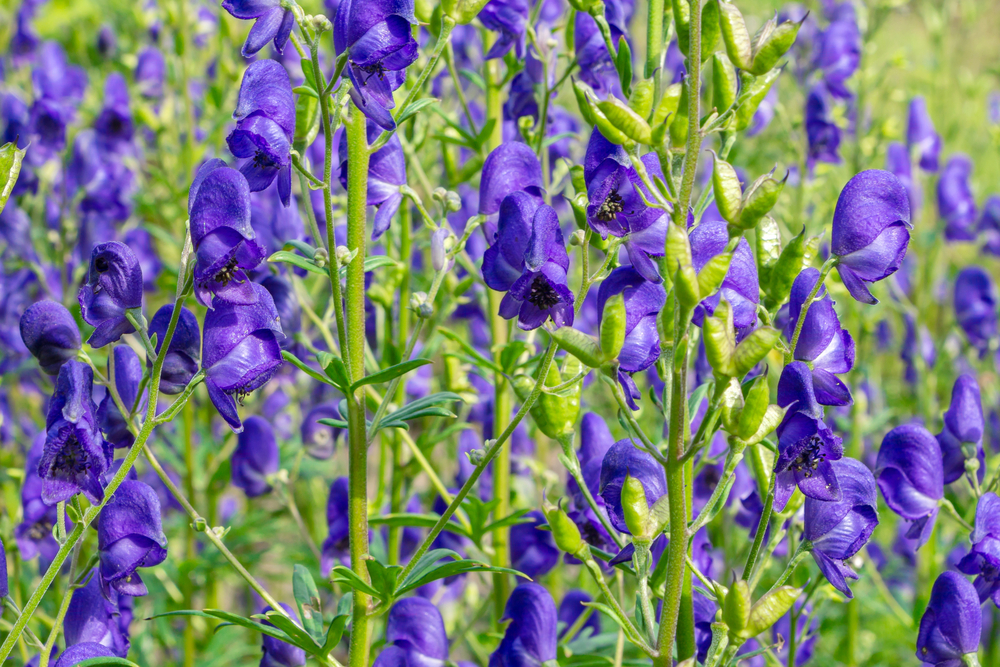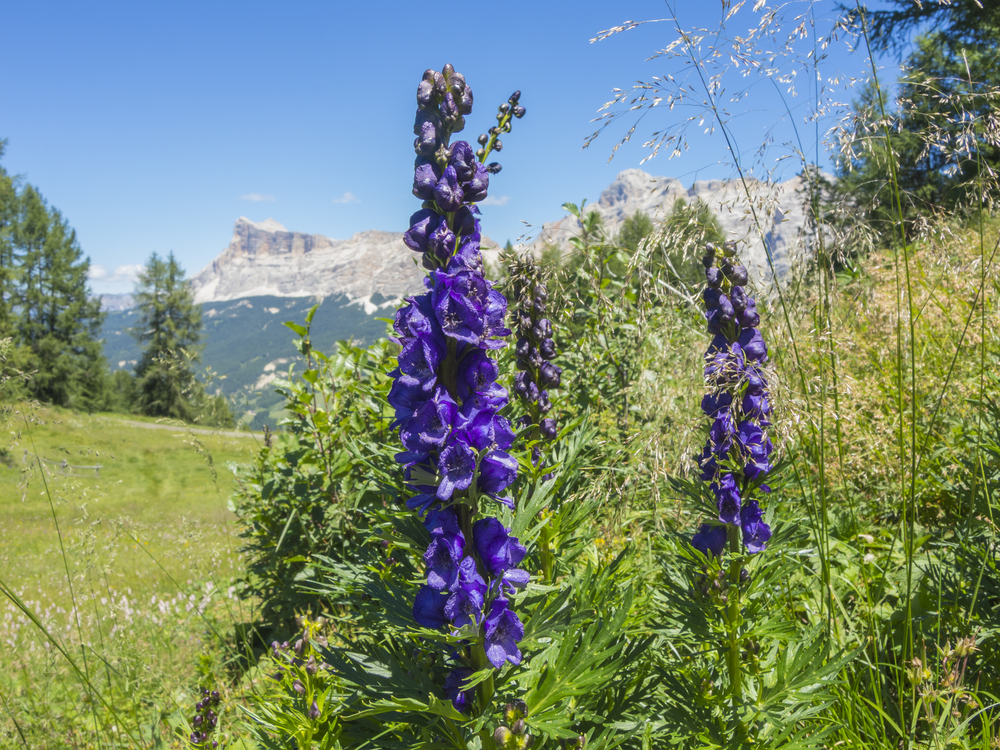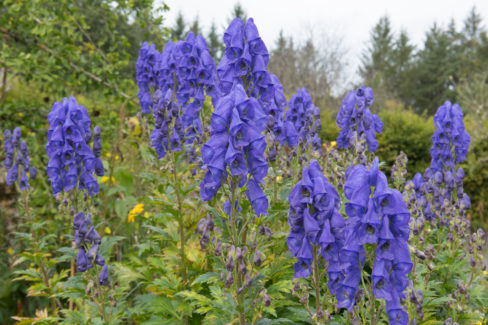
Monkshood is a favorite for many gardeners, even though it belongs to the buttercup family and holds the title of one of the most poisonous plants in Europe. But don’t let that scare you off! If you pick the right spot and handle it with care, its tall flower spikes and deep blue blooms make it a stunning focal point in any perennial bed. Those unique, helmet-shaped flowers are definitely a conversation starter.
Finding the Perfect Spot
First things first: safety. You’ll want to choose a spot that is well out of reach of children and, if possible, pets. Every single part of this plant—especially the roots and seeds—is highly toxic. I’d recommend avoiding the edges of paths or garden beds entirely. Instead, tuck it into the middle of a flower bed, surrounded by mid-sized perennials like Astilbes or Bugbane. This keeps the Monkshood looking great while creating a natural barrier for curious little hands.
In the wild, you’ll find Monkshood in shady, damp meadows, along creek banks, and in light woodlands throughout the European mountains. You’ll want to mimic those conditions in your yard. A spot in the dappled shade of trees or shrubs is perfect because it keeps the soil cool and prevents it from drying out too fast in the summer. If the soil stays moist enough, Blue Monkshood can even handle partial shade. Just keep an eye on it—if the ground gets too warm or dry, the plant becomes a magnet for powdery mildew. If you hit a dry spell, make sure to give it some extra water.
Soil Requirements
Once you’ve found the right location, you’ll want to make sure the soil is up to par. For a happy, healthy plant, look for these qualities:
- Rich in nutrients
- High in organic matter (humus) and nice and loose
- Well-draining (you definitely want to avoid standing water)
- Able to retain moisture over a long period
- Contains some loam or a bit of clay
- Generally stays relatively cool
Keeping the soil cool can be a bit tricky in partial shade. A pro tip? Try planting some low-growing groundcovers around the base. They act like a living mulch, locking in moisture and keeping the root zone chilled. Plus, if you pick the right colors for your groundcover, you can really make those blue Monkshood blooms pop!