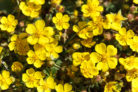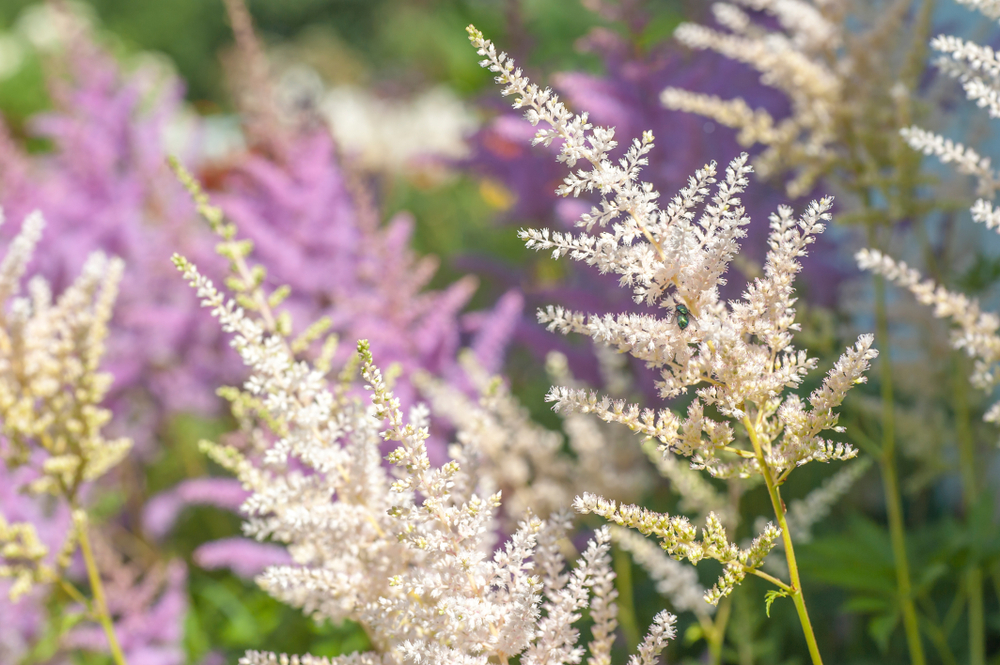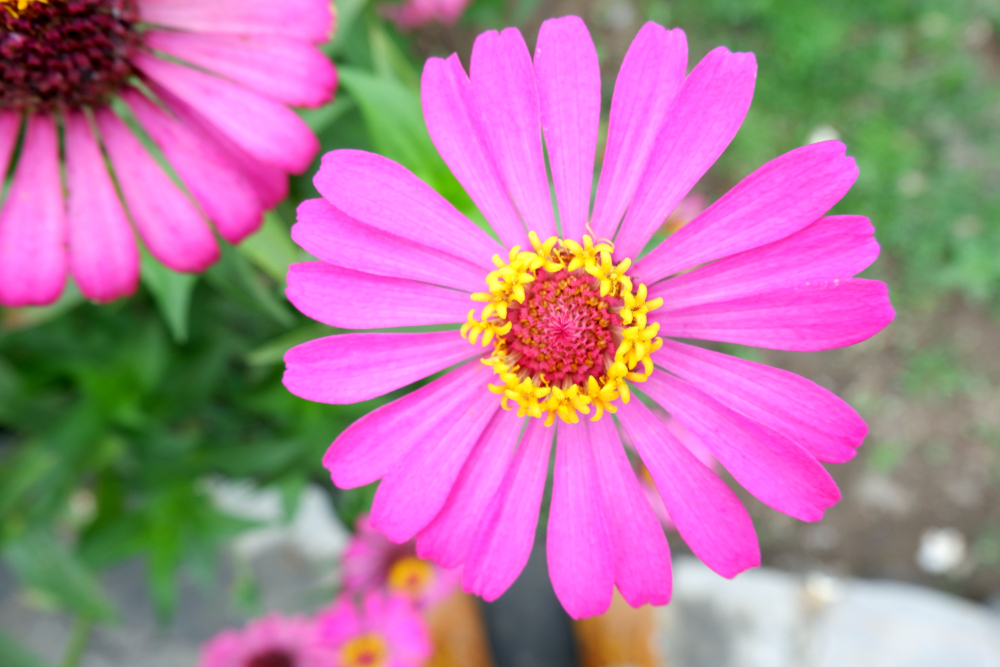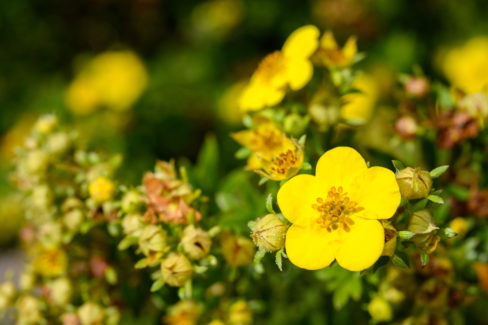
Did you know there are about 500 different varieties of Cinquefoil (also known as *Potentilla*) out there? Most gardeners are familiar with Creeping Cinquefoil, which can honestly be a bit of a headache because it spreads through flower beds like wildfire. But don’t let that one “bad seed” spoil the bunch! Other varieties are actually fantastic as medicinal herbs or even as a kitchen green. Since you can eat it, you can probably guess the best part: this plant is completely non-toxic.
Common Types of Cinquefoil
These hardy perennials belong to the Rose family (*Rosaceae*) and are 100% safe for both humans and pets. You won’t find a trace of toxins in any Cinquefoil variety. Here are some of the most popular types you might run into:
- Common Cinquefoil: A well-known medicinal herb used both internally and topically. It’s a powerhouse with antibacterial, anti-inflammatory, and antiviral properties.
- Silverweed (Gänse-Fingerkraut): This one boasts beautiful yellow blooms and an extra-long flowering season from May to September. Plus, it’s tough enough to handle being stepped on!
- Rock Cinquefoil: A low-growing, herbaceous plant. Unlike most of its cousins, its leaves are pinnate (feather-like) rather than palmate (hand-shaped).
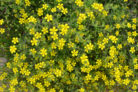
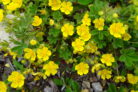
- Creeping Cinquefoil: Usually found on rocky slopes or waste ground. In the garden, it’s often treated as a weed because it spreads so aggressively, but it does have pretty yellow cup-shaped flowers.
- Spring Cinquefoil: A native wild perennial that bees absolutely love. It prefers sunny spots with lime-rich soil.
- Golden Cinquefoil: This sun-worshiper thrives in sandy, gravelly soil. It grows in lush, bushy mounds that make a real statement.
- Bloody Cinquefoil: With its vibrant, deep red flowers, this is a stunning choice for a classic cottage garden.
- Shrubby Cinquefoil: These bloom from June all the way to October. You can find tall varieties (over 3 feet) or dwarf versions (around 20 inches).
- Double Cinquefoil: Blooming from late spring through summer, this variety is the parent plant for many of the colorful hybrids we see today.
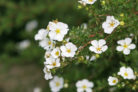
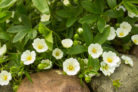
- White Cinquefoil: A fantastic groundcover with low, densely branched runners. It grows fast and covers the ground in delicate white blossoms.
How to Use Cinquefoil
Since it’s non-toxic, Cinquefoil has a long history as a healing plant. Golden Cinquefoil, in particular, is great for soothing digestion and inflammation. It’s also known for its astringent, blood-purifying, and fever-reducing qualities.
If you’re feeling adventurous in the kitchen, you can toss the leaves into a fresh salad or use them as a nutritious addition to soups. The yellow flowers also make a beautiful edible garnish for your summer dishes!
Features and Characteristics
Cinquefoil is pretty easy to spot once you know what to look for:
- Most varieties have “palmate” leaves (they look like a hand with fingers).
- The flowers typically have five petals.
- Flower colors usually range from white and yellow to deep reds or purples.
- Most types stay low to the ground, creating a carpet-like growth habit.
- It absolutely loves a sunny spot in the garden.
- It’s very hardy and can handle cold winters.
- It spreads vigorously, which is why some gardeners choose to treat it as a weed.