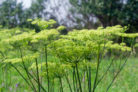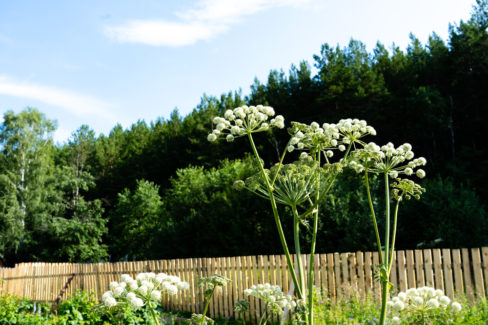
Angelica is a real standout in the carrot family (Apiaceae). In the wild, this beauty can tower up to six feet tall, especially when it finds a sunny spot with plenty of moisture. If you’ve got the space, it’s a fantastic, imposing medicinal plant to add to your garden—plus, it has a wonderfully pleasant scent that makes it a joy to be around.
Ideal Growing Conditions
In nature, you’ll usually spot Angelica in damp meadows or along the soggy banks of streams. In your own backyard, give it a large, sunny area where it has room to spread out and really show off its unique look. Since it grows so tall, try to pick a spot that’s sheltered from the wind so it doesn’t get knocked over during a storm. While it can handle partial shade, it won’t develop that signature rich aroma as well as it does in full sun. Because it’s such a heavy feeder and grows so large, Angelica prefers to be a “solitary” plant—it doesn’t play well as an underplanting for other perennials.
The soil needs to be nutrient-rich and have a nice, crumbly texture. The biggest rule? Keep it moist! You want to avoid soggy, standing water, but you never want the soil to dry out completely. If you live in a drier climate or during a summer heatwave, you’ll definitely need to stay on top of watering.
Since it’s such a fast-growing giant, Angelica is hungry for nutrients. Starting with humus-rich, fresh soil is the best way to set it up for success. Once the blooming season hits in April, you’ll need to step up the feeding schedule to keep up with its appetite. Every two weeks, give it a boost with:
- Compost or
- Horn meal/shavings
- Comfrey tea (great for a potassium boost!)
- A liquid organic fertilizer (if you’re trying it in a large container)
Care Tips for Your Angelica
Once your Angelica is settled into its happy place, you can usually expect those gorgeous blooms by the following summer. The good news is that it’s a pretty low-maintenance guest! As long as you keep the soil damp and the nutrients flowing, it’ll do its thing. Just a heads-up: Angelica is typically monocarpic, meaning it usually dies off after it flowers for the first time. If you want it to return, let the seed heads mature and drop—they’ll self-seed and start the cycle over. If you’d rather keep things tidy and prevent it from spreading, just snip off the flower heads once they start to fade.